
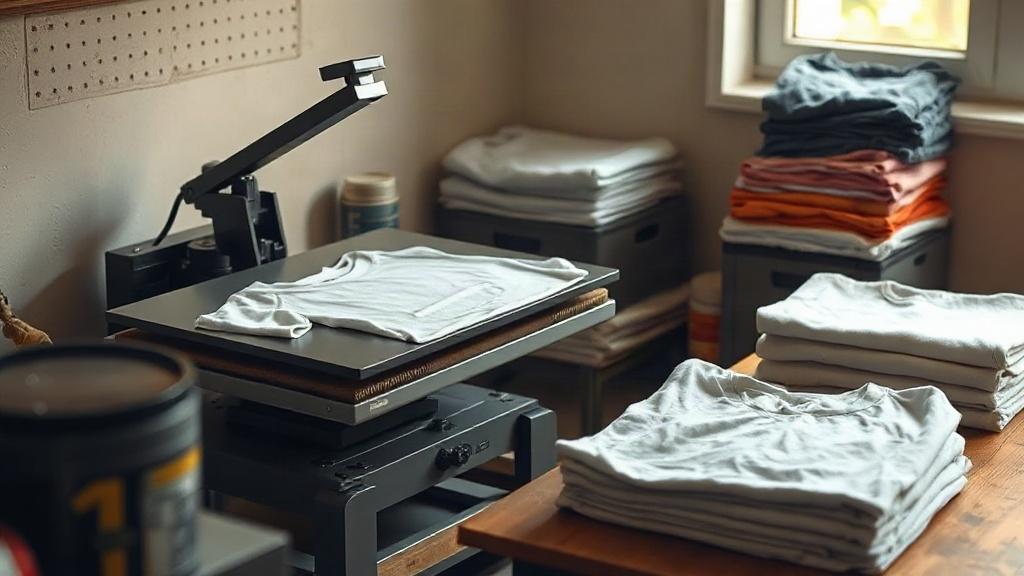
Most people come to DTF Transfers expecting a plug-and-play upgrade to vinyl or screen printing. Then the first order of 40 shirts goes out with edges lifting after one wash, and the excitement turns into a pile of returned garments. The truth is that DTF is remarkably forgiving compared to some decoration methods, but it is not indifferent to how you handle film, powder, pressure, and fabric. Getting consistent results comes down to understanding a handful of variables and testing them like a production process rather than a craft project.
What Actually Happens Inside a DTF Transfer
A DTF transfer is a printed image on a special PET film, coated while the ink is still wet with a thermoplastic adhesive powder, then cured until that powder melts into a flexible glue layer. When you press it, heat reactivates the adhesive and pressure pushes it into the fabric's surface. The ink itself never really bonds to the garment. The adhesive does. That single fact explains almost every failure mode people run into, because if the glue layer is undercured, overcured, or mismatched to the fabric, the print will peel no matter how good the artwork looked on screen.
The ink layer matters too, but mostly for how it feels and how it stretches. White ink sits underneath the color layers in most DTF workflows, which is why the print has a slight hand. A well-produced transfer on a 60 to 75 micron film feels noticeably thinner than a cheap one on thick film with too much powder. If your customers complain that the print feels like a sticker, the film and powder are usually the culprits before the press settings are.
Film and Powder Choices That Change Your Results
Single-sided versus double-sided film
Single-sided film is the standard choice for most shops. It releases cleanly, holds detail well, and works for the majority of cotton and cotton-blend jobs. Double-sided film exists mainly for stretchy or heavily textured fabrics where you want adhesive on both faces of the print for extra grip. It costs more, and it can make the print feel stiffer, so it is not the default upgrade people assume it is.
Powder mesh size
Fine powder gives smoother, thinner prints and is the right call for detailed graphics, small text, and anything going on a lightweight tee. Coarser powder grabs better on fleece, canvas, and heavily brushed fabrics, but it adds visible texture. Many shops keep both on the shelf and match the powder to the garment rather than using one bag for everything.
Curing the powder
Powder has to melt completely without scorching the film. A heat gun works for small runs if you keep it moving and watch for the powder to go from matte to glossy, then stop. A dedicated curing oven gives far more repeatable results once you are producing daily. Under-melted powder leaves a grainy surface that will not bond; over-melted powder curls the film and ruins the release.
Pressing DTF Transfers Without Guesswork
Temperature, pressure, and time all interact, so changing one without adjusting the others usually creates new problems. A sensible starting point for cotton is 300 to 320 degrees Fahrenheit for 10 to 15 seconds at medium to firm pressure. Peel the film while it is still warm for most films, though some manufacturers specify a cold peel, and following their sheet beats following a forum post.
- Pressure: too light and the adhesive never reaches the fibers; too heavy and the print flattens and spreads.
- Time: short presses leave the edges unbonded, which is why corners lift first.
- Temperature: low heat gives weak adhesion; excessive heat scorches synthetics and dulls colors.
- Pre-pressing the garment: five seconds to remove moisture and wrinkles prevents steam pockets that trap air under the film.
After peeling, a second press of 5 to 10 seconds with a cover sheet or parchment sets the print and improves wash durability noticeably. It is a small step that many shops skip, and it is one of the easiest quality wins available.
Fabric pairings that behave differently
100% cotton is the easiest surface and the best place to learn. Cotton-poly blends generally work well, but the higher the polyester content, the more careful you need to be with heat and the more the print will sit on top of the fabric rather than sink in. On 100% polyester, dye migration becomes a real risk, especially with red, navy, and black garments, because sublimated dye can rise into the print over time. A low-bleed film or a barrier layer solves most of it. Nylon, waterproof coatings, and heavily treated performance fabrics often need a specialty adhesive and a test press before you commit an order.
A Simple Test Routine That Saves Money
Before running a full batch, press one transfer on a scrap of the actual garment you plan to use. Then do three things: stretch the fabric gently around the print, scratch a corner with a fingernail, and wash the sample inside out in warm water, then look at it again after drying. If the edges hold and the surface is not cracked or gummy, your settings are in range. If a corner lifts, add a few seconds or a bit more pressure. If the print feels brittle, you are likely overcuring the powder or using too much of it.
Keep a log of garment type, film, powder, temperature, time, and pressure for every new combination. After a few weeks you will have your own reference chart, and new employees can follow it instead of guessing. That log is worth more than any generic settings card, because it reflects your press, your climate, and your suppliers.
Common Problems and Practical Fixes
Transfer peels after washing
Almost always an adhesion problem rather than an ink problem. Check that the garment was pre-pressed, that pressure is even across the platen, and that the powder was fully melted. Washing inside out in cold water and avoiding fabric softener on printed garments extends life considerably.
Colors look dull or washed out
Excessive heat dulls pigment and can yellow white ink. Lower the temperature slightly and extend time instead. Also check that the film was not stored in a hot, humid space, because moisture in the film affects release and color.
Print cracks when stretched
Too much powder or a thick film is the usual cause. Switch to finer powder and a thinner film, and reduce the second press time. On stretchy garments, a double-sided film or a stretch-friendly adhesive helps.
Film will not release cleanly
Either the peel temperature is wrong for that film or the transfer was pressed too long. Try a warm peel instead of cold, or shorten the press by two or three seconds and test again.
Where DTF Fits in a Small Shop's Workflow
DTF shines for short runs, multi-color designs, names and numbers, and orders that would be impractical to screen print. It handles gradients and fine detail that vinyl cannot, and it does not require color separation or setup time. The tradeoff is that you are buying transfers or running a printer, shaker, and oven, so the economics shift with volume. For a shop doing a dozen pieces at a time, ordering finished transfers is often cheaper than building the whole production line. For a shop doing hundreds per week, in-house production starts to pay for itself.
Storage matters more than people expect. Keep unopened film sealed, away from direct sun, and at room temperature. Once a roll is open, humidity and dust degrade release performance over weeks, not months. Label opened rolls with the date and rotate stock so older film gets used first.
Frequently Asked Questions
How long do DTF transfers last on a shirt?
With correct pressing and normal care, a well-made transfer typically survives dozens of wash cycles before showing meaningful wear. Washing inside out in cold water and tumble drying low or hanging to dry will stretch that lifespan considerably. Harsh detergent, fabric softener, and high dryer heat are the main things that shorten it.
Can I use DTF transfers on polyester and performance fabrics?
Yes, but with adjustments. Polyester needs lower heat to avoid scorching and dye migration, and performance fabrics with coatings may need a specialty adhesive film. Always test a scrap piece first, because results vary widely between garment brands and finishes.
Do DTF transfers work on dark garments?
They work very well on dark colors because the white ink base provides opacity. The main caution is dye migration on dark polyester, where the garment's dye can bleed into the print over time. Low-bleed films and a barrier layer address this in most cases.
What temperature should I press DTF transfers at?
Most films sit in the 300 to 320 degree Fahrenheit range for 10 to 15 seconds at medium to firm pressure. Those numbers are a starting point, not a rule, because your press, platen, and garment all affect the result. Follow the film manufacturer's recommendation and confirm with a wash test.
Is DTF cheaper than screen printing?
For small runs and multi-color designs, usually yes, because there is no setup cost and no minimum quantity. At high volumes with few colors, screen printing often becomes cheaper per piece. The crossover point depends on your labor, your equipment, and how many transfers you order at once.
The Short Version
Consistency with DTF Transfers comes from treating them as a process with measurable inputs rather than a one-step press. Match the film and powder to the fabric, control heat, pressure, and time together, pre-press the garment, and finish with a short second press. Test on scraps, log what works, and store film properly. Do those things and the returns and reprints drop fast, which matters more to a small shop than any single setting on a press.