
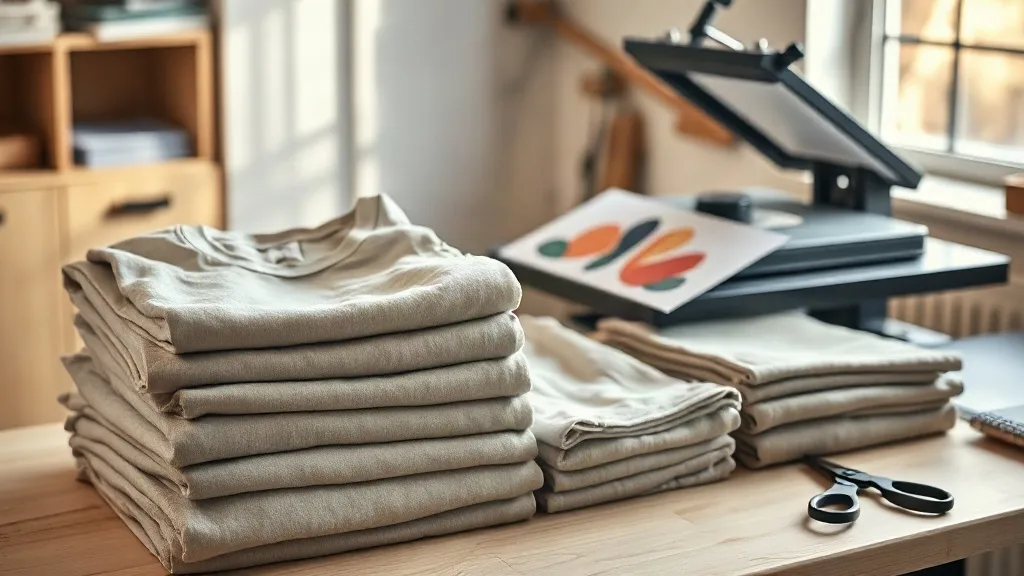
Choosing a blank is the quiet decision that shapes everything after it. Before the artwork, before the press settings, before the first customer ever sees the design, someone has to pick a garment. That is where shaka wear earns its reputation among print shops and streetwear labels: these are heavyweight, honest blanks built for people who plan to print on them. This guide walks through what makes the line worth a closer look, how to match it with direct-to-film output, and the practical steps that separate a clean run from a pile of reprints.
Why the Blank Matters More Than the Design
A great print on a weak shirt is a refund waiting to happen. The fabric has to hold ink without bleeding, survive repeated washes, and keep its shape long enough for the customer to become a repeat buyer. Shaka Wear approaches this from the garment side first: heavier cotton blends, structured shoulders, and stitching that holds up under tension. When a design lands on a blank with that kind of body, the print sits flatter, the colors read brighter, and the whole piece feels like something worth the price tag.
There is also a merchandising angle that gets overlooked. Heavyweight tees photograph better because they drape with weight and hold a shape under studio lighting. If you sell online, that difference shows up in conversion rates long before anyone touches the fabric. Buyers judge with their eyes first, and a shirt that looks substantial in a photo has already won half the argument.
Understanding the Shaka Wear Lineup
Heavyweight Tees and the Fit Question
The core of the catalog is the heavyweight crew, and the fit is the first thing to test. These run with a boxier cut, which suits oversized styling but can surprise anyone used to slim-fit blanks. Order a sample in your target size before committing to a bulk run. Wear it, wash it twice, and check how the shoulder seams and hem behave. If the fit matches your brand's silhouette, you have found a workhorse. If not, adjust sizing in your product listings rather than fighting the garment.
Hoodies, Crewnecks, and Layering Pieces
Fleece changes the printing equation. The brushed interior of a hoodie can create a softer surface, which affects how film adheres during pressing. Pre-press each garment briefly to drive out moisture and flatten the nap, then press the transfer at the temperature your film manufacturer specifies. Skipping the pre-press is one of the most common causes of a print that peels at the corners after a few washes. It takes seconds and saves entire orders.
Color Range and Sizing Depth
A blank line is only as useful as its size run. Extended sizing matters for streetwear, team orders, and anyone building an inclusive catalog. Confirm availability in the colors you plan to stock before you design a collection around them. Nothing stalls a launch faster than discovering your hero color is out of stock in the sizes that sell first.
Pairing Shaka Wear With DTF Printing
Direct-to-film works well on cotton and cotton blends, which is exactly the territory these blanks occupy. The process prints your artwork onto a film, applies a powder adhesive, and transfers the result with heat and pressure. The advantage for small labels is obvious: no screen setup fees, no minimum color counts, and full-color gradients that would be expensive to screen print. You can produce one shirt or two hundred from the same file.
The workflow rewards planning. Instead of printing one design per sheet, you arrange multiple designs across a single film and cut them apart after transfer. That is where a DTF Gangsheet Builder becomes genuinely useful. You upload artwork, arrange pieces to minimize wasted film, and see the layout before anything prints. On a busy week, that planning step can cut material costs noticeably and keeps your per-unit pricing competitive.
Preparing Artwork for Film Output
Start with vector files where possible, or high-resolution raster images at 300 DPI at final print size. Add a small bleed, keep fine details above one millimeter, and avoid hairline strokes that vanish in transfer. White ink sits beneath every color in DTF, so design with opacity in mind: semi-transparent effects can look different on a dark garment than they do on screen. Do a test press on an offcut before running the full sheet.
Press Settings That Actually Hold
Temperature, pressure, and dwell time need to match your film and your garment together. A heavy cotton tee and a brushed fleece hoodie do not want identical settings. Keep a simple log: date, garment, film brand, temperature, time, pressure, and result after five washes. Within a month you will have a reference sheet that removes the guesswork and makes training new staff far easier.
Building a Small-Batch Drop Without Overspending
The economics of a first collection are brutal if you over-order. A smarter path is to stock a focused range of blanks in the sizes that sell, then print designs on demand as orders arrive. This keeps cash free and lets you retire weak designs quickly. Combine that with gang sheet planning so each print run carries several designs, and the cost per unit drops without you holding dead stock.
- Order one sample of each garment style before buying in bulk.
- Test wash a printed sample twice before listing the product.
- Bundle two or three designs per film sheet to reduce waste.
- Photograph finished pieces on a real person, not just flat.
- Track wash durability so you can answer customer questions honestly.
There is a marketing benefit here too. Small batches create natural scarcity, and customers respond to designs that feel limited rather than mass-produced. Pair a heavyweight tee with a clean chest print and a small back hit, and you have a product that photographs well and wears well. That combination is what turns a first-time buyer into someone who checks your store every drop.
Common Mistakes That Cost Print Shops Money
Most failures trace back to preparation, not equipment. Pressing a transfer onto a garment that still has factory moisture, ignoring the nap on fleece, or stretching a hot print while it cools will all cause lifting and cracking. Another frequent issue is misjudging scale: a design that looks balanced on a monitor can overwhelm a medium tee. Print a paper proof at actual size and hold it against the garment before you commit.
Storage matters as well. Film absorbs humidity, and damp film produces inconsistent transfers. Keep sheets sealed, flat, and away from direct heat. Rotate stock so older film gets used first, and label every batch with the date it arrived. These habits feel minor until the day a rush order depends on them.
Frequently Asked Questions
Does DTF printing work well on heavyweight cotton tees?
Yes. DTF adheres reliably to cotton and cotton blends, and heavier fabrics tend to handle the heat and pressure of transfer without distortion. Pre-press the garment to remove moisture, then follow your film supplier's temperature and time recommendations. Wash testing a sample is still the only way to confirm durability for your specific combination.
How many designs can I fit on one gang sheet?
It depends on the sheet dimensions and the size of each print. A typical layout might hold six to twelve chest-size designs, or fewer if you include large back prints. Arrange pieces tightly but leave enough margin for clean cutting, and check the preview before printing so you do not waste film on an overcrowded layout.
What sizes should I stock first for a streetwear drop?
Medium through extra large usually move fastest, with large often leading. Stock a smaller quantity of small and extended sizes to test demand without tying up capital. Review sales after the first two weeks and reorder based on actual data rather than assumptions about what your audience wears.
Can I mix Shaka Wear pieces with other blanks in one collection?
You can, but consistency helps. If two shirts in the same collection have noticeably different weights or fits, customers notice and reviews mention it. Choose one primary blank for your core pieces and reserve alternates for specific styles, then describe the differences clearly in your product listings so expectations stay accurate.