
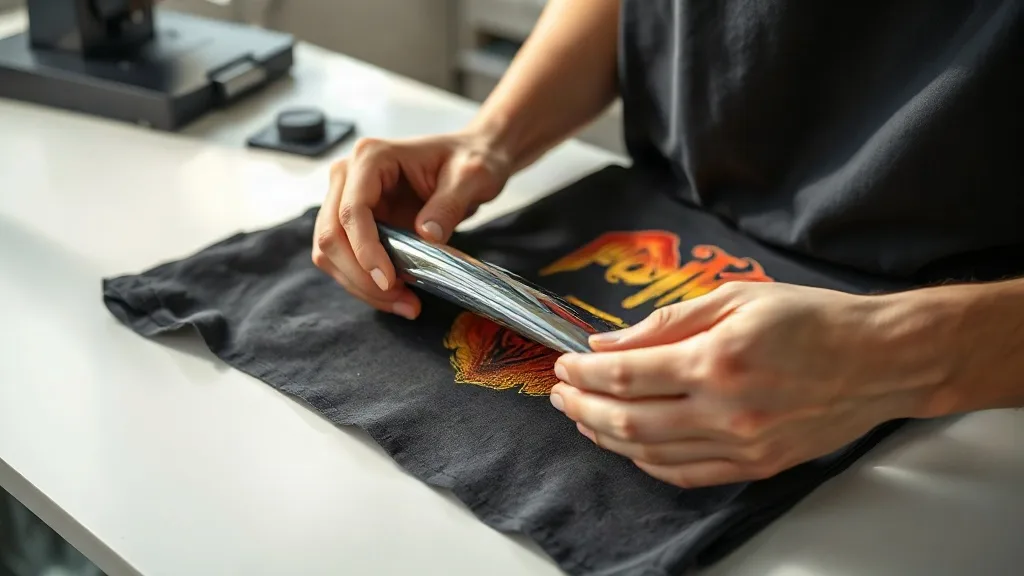
Custom apparel printing has evolved dramatically over the past decade, and one technology that has captured the attention of both hobbyists and professionals is dtf transfers. If you've been curious about this method but aren't sure where to start, you're in the right place. This guide will walk you through the essentials of DTF printing, from understanding the process to applying transfers like a pro.
What Are DTF Transfers?
DTF stands for Direct to Film. It's a printing technique where your design is printed onto a special film, coated with a adhesive powder, and then heat-pressed onto fabric. Unlike other methods that require special pretreated shirts or specific fabric blends, dtf transfers work on almost any material, including cotton, polyester, blends, and even some synthetics. The result is a vibrant, durable print that can stretch with the fabric without cracking or fading.
The process might sound technical, but it's surprisingly accessible. You don't need a warehouse full of equipment to get started. Many small businesses and crafters have adopted DTF because it offers professional-quality results without the steep learning curve of screen printing or the limitations of vinyl cutting.
How DTF Printing Works: A Step-by-Step Overview
Understanding the DTF workflow helps you appreciate why it's so popular. Here's what happens from digital file to finished garment:
- Design Preparation: Your artwork is prepared digitally, ensuring colors are vibrant and details are crisp. White ink is typically used as a base to make colors pop on dark fabrics.
- Printing: A specialized printer lays down the design onto a PET film. The printer uses pigment inks that are vibrant and durable.
- Powder Application: While the ink is still wet, a hot-melt adhesive powder is applied evenly over the design. Excess powder is removed.
- Curing: The film passes through a heat source to melt the powder, creating a solid adhesive layer that will bond with fabric.
- Transfer: The cured film is placed on the garment and heat-pressed. The adhesive melts, fusing the design to the fabric. Once cooled, the film is peeled away, leaving the print behind.
Each step requires attention to detail, but the process is straightforward once you get the hang of it. The beauty of DTF is that you can print designs on demand, store the films, and apply them whenever you need.
Why Choose DTF Transfers Over Other Printing Methods?
If you're comparing printing options, DTF has several advantages that make it stand out:
- No Pretreatment Required: Unlike DTG (Direct to Garment), DTF doesn't require you to pretreat shirts before printing. This saves time and reduces chemical use.
- Works on Multiple Fabrics: DTF adheres well to cotton, polyester, blends, and even some nylons. You're not limited to a single fabric type.
- Vibrant Colors and Fine Details: DTF printers can reproduce complex gradients and fine lines with impressive accuracy.
- Durability: When applied correctly, DTF prints resist cracking, peeling, and fading even after multiple washes.
- Cost-Effective for Small Runs: Unlike screen printing, which requires setup costs per color, DTF is economical for short runs and one-off designs.
- Easy Storage: Printed films can be stored and used later, making it convenient for on-demand production.
These benefits have made DTF a go-to choice for small businesses, crafters, and even large brands looking for flexibility.
Applications of DTF Transfers
DTF isn't just for t-shirts. Its versatility extends to a wide range of products:
- Apparel: T-shirts, hoodies, polo shirts, and more.
- Accessories: Tote bags, hats, and socks.
- Home Decor: Pillow covers, aprons, and even canvas prints.
- Sports Gear: Jerseys and team uniforms that need to withstand heavy use.
Because DTF can adhere to diverse materials, it opens up creative possibilities for personalized gifts and promotional items.
Tips for Getting the Best Results with DTF Transfers
While DTF is forgiving, following best practices ensures your prints look great and last long:
1. Choose the Right Film and Powder
Not all DTF films are created equal. Use high-quality film designed for your printer. The adhesive powder should match the film and your fabric type. Always follow the manufacturer's recommendations.
2. Master the Heat Press Settings
Temperature, pressure, and time are critical. Typically, you'll press at around 160°C (320°F) for 10-15 seconds. But adjustments may be needed based on fabric and film. Always do a test press on a scrap piece.
3. Handle Films with Care
Printed films are delicate before application. Store them flat in a cool, dry place to prevent damage. Avoid touching the printed area with bare hands, as oils can affect adhesion.
4. Peel at the Right Temperature
Most DTF films are peeled after the press while still warm (warm peel). However, some require cold peel. Check your film's instructions. Peeling at the wrong temperature can ruin the transfer.
5. Wash Inside Out
To prolong the life of your DTF-printed garments, wash them inside out in cold water and tumble dry low. Avoid ironing directly over the print.
Common Mistakes to Avoid
Even experienced users can slip up. Here are pitfalls to watch for:
- Using too much powder: Excess powder can cause a rough texture and poor adhesion. Shake off excess gently.
- Insufficient pressure: Without enough pressure, the transfer won't bond properly. Make sure your heat press is calibrated.
- Ignoring fabric type: While DTF works on many fabrics, some (like certain nylons) may require lower temperatures. Always test.
- Skipping the test press: A quick test can save you from ruining a whole batch.
Finding DTF Transfers Near You
If you're not ready to invest in your own DTF printer, you can still enjoy the benefits by ordering pre-printed transfers. Many companies offer custom DTF printing services where you upload your design and receive ready-to-press films. When searching for dtf transfers near me, look for suppliers with good reviews, clear instructions, and fast turnaround. Local print shops or online services can be great options, especially if you need small quantities or quick delivery.
Frequently Asked Questions About DTF Transfers
What fabrics can I use with DTF transfers?
DTF transfers work on a wide range of fabrics, including cotton, polyester, cotton-poly blends, and many synthetics. They are not recommended for fabrics with special coatings or waterproof treatments, as adhesion may be poor.
How durable are DTF prints?
When applied correctly, DTF prints are highly durable. They can withstand dozens of washes without significant fading, cracking, or peeling. Proper washing (inside out, cold water) extends their life.
Can I stretch DTF prints?
Yes, DTF prints have some stretchability, making them suitable for stretchy fabrics like spandex blends. However, excessive stretching may cause the print to crack over time.
Do I need a special printer for DTF?
Yes, DTF requires a printer that uses DTF pigment inks and is designed to print on PET film. You can also buy pre-printed transfers from service providers if you don't want to invest in equipment.
How do I store DTF transfers?
Store unused transfers flat in a cool, dry place away from direct sunlight. Avoid folding them, as creases can affect the final print. Properly stored transfers can last for several months.
DTF transfers have opened up a world of possibilities for custom apparel and more. Whether you're a DIY enthusiast or a business owner, understanding this technology can help you achieve professional results with ease. Give it a try, and you might just find your new favorite printing method.