
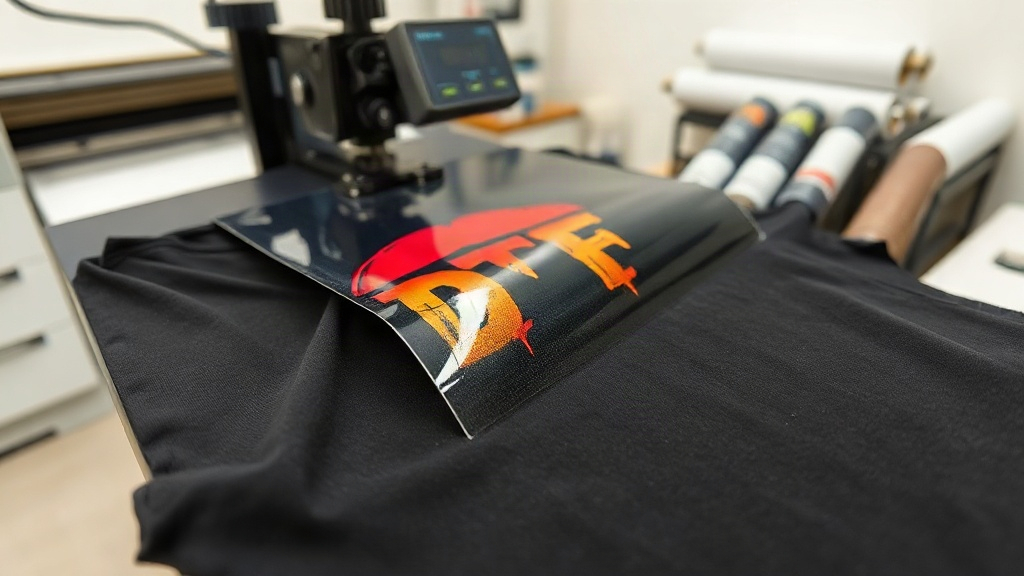
If you're new to custom apparel, you've probably heard about DTF transfers. Unlike traditional screen printing or vinyl, DTF (Direct to Film) transfers offer a versatile and cost-effective way to create vibrant, durable prints on a wide range of fabrics. But what exactly are they, and how can you get the best results? This guide will walk you through the entire process, from understanding the technology to applying transfers like a pro. Whether you're a hobbyist or a small business owner, mastering DTF transfers can open up a world of creative possibilities.
What Are DTF Transfers?
DTF transfers are printed designs on a special film that can be heat-pressed onto various materials. The process involves printing your design onto a PET film using specialized inks, then applying a powder adhesive (hot melt powder) to the wet ink. After curing, the transfer is ready to be pressed onto fabric. The result is a soft, stretchable print that bonds permanently to the material. Unlike DTG (Direct to Garment) printing, which requires pre-treatment and works best on cotton, DTF transfers adhere to cotton, polyester, blends, and even some non-fabric surfaces like leather and canvas. This flexibility makes DTF transfers a favorite among crafters and small businesses.
Why Choose DTF Transfers?
There are several reasons why DTF transfers have gained popularity in recent years. First, they eliminate the need for color separation and screens, making short runs and one-off designs economically viable. Second, the prints are highly durable; they resist cracking, peeling, and fading even after multiple washes. Third, the color vibrancy is exceptional, especially on dark garments where other methods might struggle. Finally, DTF transfers require minimal equipment: a printer, film, powder, and a heat press. If you already have a heat press for other crafts, adding DTF capability is a natural next step.
How to Apply DTF Transfers Correctly
Applying a DTF transfer might seem straightforward, but following the right steps ensures a professional finish. Here's what you need to know.
Step-by-Step Application Guide
- Preheat your heat press. Set the temperature to 300-320°F (150-160°C) for most fabrics. For delicate materials, lower the temperature slightly.
- Pre-press the garment. This removes moisture and wrinkles, creating a smooth surface for the transfer. Press for 5-10 seconds.
- Position the transfer. Place the DTF transfer on the garment with the printed side facing up. The film should be on top.
- Press with medium pressure. Apply the heat press for 10-15 seconds. Avoid excessive pressure, which can cause the ink to spread.
- Peel the film. Wait a few seconds for the transfer to cool slightly, then peel the film off in a smooth, continuous motion. If the design lifts, press again for a few seconds.
- Post-press (optional). For extra durability, cover the design with parchment paper and press again for 5 seconds.
Choosing the Right Fabric
DTF transfers work on a multitude of fabrics, but some yield better results than others. Cotton and cotton-poly blends are ideal because they allow the adhesive to bond well. Polyester can also work, but you may need to adjust the temperature to prevent scorching. Avoid fabrics with heavy coatings or waterproof finishes, as the transfer may not adhere properly. Always test on a scrap piece first.
Common Mistakes to Avoid
Even experienced crafters make mistakes. Here are a few pitfalls to watch out for:
- Insufficient pressure: If the transfer doesn't stick, it's often due to too little pressure. Increase the pressure and try again.
- Wrong temperature: Too hot and the film may melt; too cold and the adhesive won't activate. Invest in an infrared thermometer to verify your press temperature.
- Peeling too soon: Wait at least 5-10 seconds after pressing before peeling. Peeling while hot can distort the design.
- Not pre-pressing: Skipping pre-pressing can trap moisture, leading to poor adhesion.
DTF Transfers vs. Other Printing Methods
How do DTF transfers stack up against DTG, screen printing, and vinyl? Here's a quick comparison:
- DTG: Best for 100% cotton, requires pre-treatment, limited to fabric. DTF works on more materials and doesn't need pre-treatment.
- Screen Printing: Cost-effective for large orders, but setup is time-consuming and expensive for small runs. DTF is ideal for small batches and complex designs.
- Vinyl: Great for simple shapes and text, but multi-color designs are labor-intensive. DTF handles full-color graphics with ease.
Where to Buy DTF Transfers
If you're not ready to invest in a DTF printer, you can order custom DTF transfers from reputable suppliers. Look for companies that use high-quality inks and film, and that offer a range of sizes and turnaround times. When ordering, provide high-resolution PNG files with transparent backgrounds for the best results. Many suppliers also offer sample packs so you can test the quality before committing to a large order.
Frequently Asked Questions About DTF Transfers
How long do DTF transfers last?
With proper application and care, DTF transfers can last as long as the garment itself. They withstand 50+ washes without significant fading or cracking. To extend longevity, wash inside out in cold water and avoid bleach.
Can I use DTF transfers on dark colors?
Absolutely. DTF transfers include a white ink layer that makes colors pop on dark fabrics. This is one of the main advantages over DTG, which often requires a white underbase.
What equipment do I need to start with DTF?
You'll need a DTF printer, DTF film, hot melt powder, and a heat press. If you're just starting, you can outsource printing and only handle the application, which requires just a heat press.
Do DTF transfers work on 100% polyester?
Yes, but you may need to lower the temperature to around 280-300°F (140-150°C) to prevent the polyester from scorching or the transfer from over-melting. Always test first.
How do I store unused DTF transfers?
Store them in a cool, dry place away from direct sunlight. Keep them in a sealed bag to prevent dust and moisture from affecting the adhesive. Properly stored transfers can last for months.