
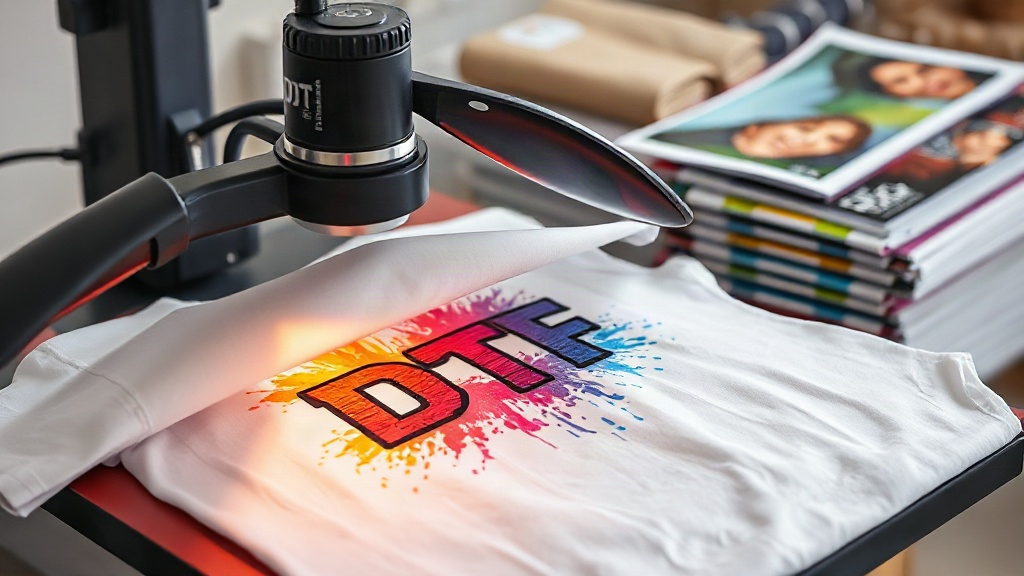
If you've been exploring custom apparel printing, you've likely heard about DTF transfers. This innovative technology is quickly becoming a favorite among crafters and small business owners for its versatility and vibrant results. But what exactly are DTF transfers, and how can you use them to create stunning, long-lasting prints? In this guide, we'll walk you through everything you need to know, from the basics to pro tips for flawless application.
What Are DTF Transfers?
DTF stands for Direct to Film. Unlike traditional screen printing or vinyl cutting, DTF transfers involve printing your design onto a special film using a DTF printer. The design is printed with water-based inks, then a thermoplastic polyurethane (TPU) powder is applied while the ink is still wet. This powder acts as an adhesive when heated. The result is a transfer that can be applied to a wide range of fabrics, including cotton, polyester, blends, and even nylon. The process is efficient, cost-effective, and produces incredibly detailed, full-color images.
Why Choose DTF Transfers?
There are several reasons why DTF transfers have gained popularity:
- Versatility: They adhere to almost any fabric, including those that are difficult for other methods, like polyester and nylon.
- Durability: When applied correctly, DTF prints are stretchy, crack-resistant, and withstand repeated washing.
- No Weeding: Unlike vinyl, there's no tedious weeding process. You simply print, powder, cure, and press.
- Full-Color: DTF printers use CMYK and white ink, allowing for vibrant, photorealistic designs without color limitations.
- Cost-Effective for Short Runs: Ideal for small batches or one-off custom items, as there's no minimum order quantity.
How to Apply DTF Transfers: Step-by-Step
Applying DTF transfers is straightforward, but following the correct steps is crucial for a professional finish. Here's a detailed guide:
1. Prepare Your Workspace and Materials
You'll need a heat press, your garment, and the DTF transfer. Ensure your heat press is on a stable surface and preheated to the recommended temperature. Typically, DTF transfers require a temperature of 325°F to 350°F (160°C to 175°C). Always check the instructions provided with your transfers, as specifications can vary.
2. Preheat the Garment
Pre-pressing the garment for a few seconds removes moisture and wrinkles, ensuring a smooth surface for the transfer. This step also helps the transfer adhere evenly. Set your heat press to the desired temperature and press the garment for 5-10 seconds.
3. Position the Transfer
Place the DTF transfer onto the garment with the printed side facing up. If your transfer has a white backing, that side goes against the fabric. Use heat-resistant tape to hold the transfer in place if needed, especially for intricate designs.
4. Press the Transfer
Apply firm pressure (medium to high, around 40-60 PSI) for 10-15 seconds. The exact time can vary based on your press and the transfer manufacturer's recommendations. Avoid moving the transfer during pressing to prevent blurring.
5. Peel the Film
DTF transfers can be peeled either hot or cold, depending on the film type. Most modern DTF transfers are cold peel, meaning you should wait until the transfer cools completely before peeling. Peeling hot can cause the design to stretch or tear. Once cooled, peel the film off in a smooth, continuous motion. If any part of the design lifts, press again for a few seconds.
6. Post-Press for Durability
For added durability, especially on stretchy fabrics, cover the design with a Teflon sheet or parchment paper and press again for 5-10 seconds. This step, often called a 'post-press,' helps the adhesive fully bond with the fabric.
Common DTF Transfer Issues and How to Fix Them
Even with careful application, you might encounter some issues. Here's how to troubleshoot:
Design Peels Off or Cracks
This usually indicates insufficient pressure, temperature, or time. Increase the pressure and ensure your heat press is calibrated correctly. Also, check that you're using the right settings for your specific transfer. If the design cracks after washing, it might be due to over-stretching the garment or using too high a temperature during application, which can make the print brittle.
Adhesive Residue Left on Film
If you see a lot of white powder residue on the film after peeling, it means the transfer didn't fully adhere. This could be due to low temperature or pressure. Try increasing both and press again. Also, ensure the garment is completely dry before pressing.
Colors Look Dull or Faded
Dull colors can result from under-pressing, where the ink doesn't fully transfer. Make sure your heat press reaches the correct temperature and apply consistent pressure. Additionally, some fabrics may require a higher temperature; consult the transfer's instructions.
Pro Tips for Perfect DTF Transfers
- Test on Scrap Fabric: Before pressing onto your final garment, do a test press on a similar fabric to dial in your settings.
- Use a Heat Press, Not an Iron: While you can use an iron, a heat press provides even pressure and consistent temperature, which are key for professional results.
- Store Transfers Properly: Keep unused transfers in a cool, dry place, away from direct sunlight, to prevent the adhesive from curing prematurely.
- Wash Inside Out: To prolong the life of your DTF prints, turn garments inside out before washing and avoid using fabric softeners, which can break down the adhesive.
Frequently Asked Questions About DTF Transfers
Can I use DTF transfers on dark fabrics?
Absolutely! One of the biggest advantages of DTF transfers is that they include a white ink layer, which allows them to show up vividly on dark colors. The white ink acts as a base, ensuring the colors pop.
How long do DTF transfers last?
With proper application and care, DTF transfers can last as long as the garment itself. They are highly durable and resistant to cracking, peeling, and fading. Following the washing instructions is key to maintaining their longevity.
Do I need a special printer for DTF transfers?
Yes, DTF transfers require a DTF printer that uses DTF inks and can handle the film. However, if you're not ready to invest in a printer, you can purchase pre-made DTF transfers from suppliers like DTF transfers from dtfshoply.com, which are ready to press.
What fabrics work best with DTF transfers?
DTF transfers work on a wide range of fabrics, including cotton, polyester, cotton-poly blends, nylon, and even leather. They are particularly popular for polyester because other methods like vinyl don't adhere well to it.
Can I layer DTF transfers?
Layering DTF transfers is possible but can be tricky. It's best to avoid overlapping multiple transfers unless necessary, as it can create a thick, stiff area. If you must layer, press each layer separately and use a lower temperature for subsequent layers to avoid disturbing the ones below.
With these insights, you're well on your way to mastering DTF transfers. Whether you're a hobbyist or a business owner, this technology opens up a world of possibilities for custom apparel. Happy pressing!