
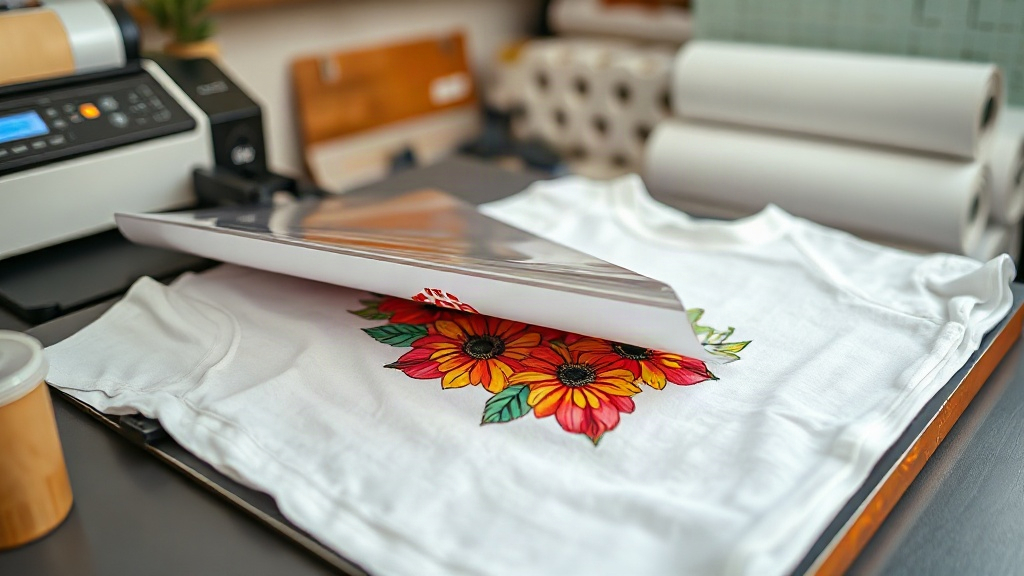
If you've been exploring custom apparel printing, you've likely encountered DTF transfers. This innovative method is rapidly gaining popularity for its versatility and vibrant results. Unlike traditional screen printing or vinyl, DTF transfers allow you to print full-color designs on a wide range of fabrics with minimal equipment. In this guide, we'll walk you through everything you need to know to get started with DTF transfers, from understanding the technology to applying them like a seasoned pro.
What Are DTF Transfers?
DTF stands for Direct to Film. It's a printing process where your design is printed onto a special film, coated with a powder adhesive, and then heat-pressed onto the fabric. The result is a soft, stretchable print that bonds permanently with the material. DTF transfers are known for their ability to reproduce intricate details and gradients, making them ideal for photographic designs and complex artwork.
How DTF Transfers Differ from Other Methods
Compared to DTG (Direct to Garment) or screen printing, DTF transfers offer several unique advantages. For one, they don't require pre-treatment of the fabric, which saves time and avoids potential errors. They also work on a broader range of materials, including cotton, polyester, blends, and even nylon. Additionally, DTF transfers can be applied to dark and light garments with equal ease, eliminating the need for separate white underbase screens.
Why Choose DTF Transfers?
There are many reasons why DTF transfers have become a go-to solution for small businesses and hobbyists alike. Here are some key benefits:
- Exceptional detail: DTF transfers capture fine lines, small text, and subtle gradients with impressive clarity.
- Fabric versatility: They adhere well to cotton, polyester, blends, and even leather, making them suitable for a wide range of products.
- Durability: When applied correctly, DTF prints withstand repeated washing without cracking or fading.
- Cost-effective for short runs: Unlike screen printing, there's no need for expensive setup or minimum order quantities.
- Soft feel: The prints are thin and flexible, so they don't feel heavy or plastic-like on the garment.
Step-by-Step Guide to Applying DTF Transfers
Applying DTF transfers is straightforward, but following the correct steps ensures a professional, long-lasting result. Here's how to do it:
1. Prepare Your Workspace and Materials
You'll need a heat press, your DTF transfer, the garment, and a protective sheet (like parchment paper or a Teflon sheet). Ensure your heat press is set to the recommended temperature, typically around 325°F (160°C) for most DTF films. Pre-press the garment for a few seconds to remove moisture and wrinkles, which helps the transfer adhere evenly.
2. Position the Transfer
Place the DTF transfer onto the garment with the printed side facing up. If your design has a white layer, it will be on the back of the film. Position it exactly where you want it; once pressed, it's permanent. Use heat-resistant tape if needed to keep it in place.
3. Apply Heat and Pressure
Cover the transfer with your protective sheet. Press down with medium to firm pressure for about 15-20 seconds. The exact time can vary depending on your press and the film manufacturer's instructions, so always test with a scrap piece first.
4. Peel the Film
After pressing, you can either peel the film hot or cold, depending on the type of DTF transfer you're using. Most modern DTF films are cold peel, meaning you should wait for the transfer to cool completely before peeling. This prevents the design from stretching or tearing. Peel slowly and at a low angle for best results.
5. Post-Press for Durability
For added durability, especially on stretchy fabrics, cover the design with a protective sheet again and press for another 5-10 seconds. This helps the adhesive fully cure and ensures the print stays put wash after wash.
Common Mistakes to Avoid
Even with a simple process, a few missteps can ruin your DTF transfer. Watch out for these common errors:
- Insufficient pressure: Without enough pressure, the transfer won't adhere properly and may peel off.
- Wrong temperature: Too hot and the film may melt or the design may scorch; too cold and the adhesive won't activate.
- Peeling too soon: If you peel a cold-peel transfer while it's still warm, the design can distort.
- Not pre-pressing: Skipping the pre-press can trap moisture, leading to poor adhesion.
- Using the wrong film: Different DTF films have specific instructions; always follow the manufacturer's guidelines.
Care Tips for Long-Lasting DTF Prints
To keep your DTF transfers looking fresh, follow these care instructions:
- Wait at least 24 hours before washing the garment.
- Turn the garment inside out before washing.
- Use cold water and a gentle cycle.
- Avoid bleach and fabric softeners.
- Tumble dry on low or hang dry.
- Iron inside out, never directly on the print.
Frequently Asked Questions About DTF Transfers
Can I use DTF transfers on 100% polyester?
Yes, DTF transfers work well on polyester, but you may need to adjust the temperature and pressure. Polyester is heat-sensitive, so use a lower temperature (around 300°F) and a shorter press time to avoid scorching or dye migration. Always test on a scrap piece first.
How do I store unused DTF transfers?
Store them in a cool, dry place away from direct sunlight. Keep them flat to prevent curling. Avoid stacking heavy objects on top. Properly stored, DTF transfers can last for several months.
What's the difference between hot peel and cold peel DTF transfers?
Hot peel transfers are designed to be peeled immediately after pressing while still hot. Cold peel transfers require you to wait until the transfer cools completely before peeling. Cold peel generally provides a smoother finish and is more forgiving, making it popular for detailed designs.
Do I need a special printer to make DTF transfers?
Yes, DTF printing requires a dedicated DTF printer that uses special DTF inks and films. However, if you're not ready to invest in a printer, you can purchase pre-printed DTF transfers from suppliers and apply them with a heat press.
How durable are DTF transfers compared to screen printing?
When applied correctly, DTF transfers are highly durable and can withstand many washes. They are comparable to screen printing in terms of longevity, though screen printing may have a slight edge on extremely stretchy fabrics. For most applications, DTF transfers offer excellent durability.
With this guide, you're well on your way to mastering DTF transfers. Whether you're a hobbyist or a business owner, this versatile technique opens up a world of possibilities for custom apparel. Remember to practice, follow the guidelines, and soon you'll be creating stunning, long-lasting prints with ease.