
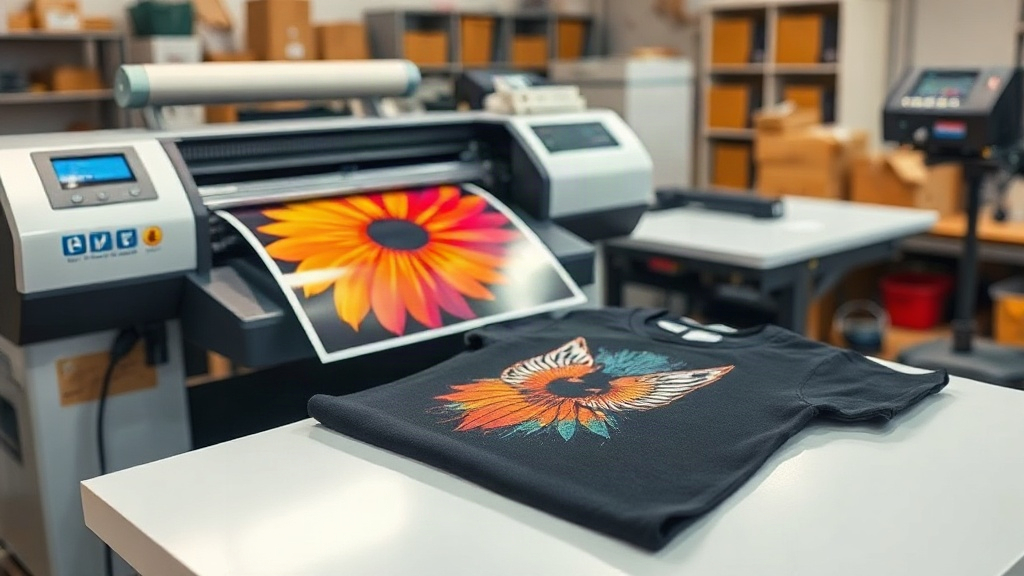
If you've been exploring custom apparel decoration, you've likely encountered DTF printing. Short for Direct-to-Film, this innovative technology has taken the garment industry by storm, offering vibrant colors, exceptional detail, and unmatched versatility. Whether you're a small business owner, a hobbyist, or a professional printer, understanding DTF printing can open up a world of creative possibilities. In this guide, we'll walk you through the entire DTF process, compare it to other methods, and share expert tips to help you achieve professional results every time.
What is DTF Printing?
DTF printing is a digital printing method where your design is printed onto a special film, coated with a powdered adhesive, and then heat-pressed onto fabric. Unlike DTG (Direct-to-Garment) printing, which prints directly onto the garment, DTF transfers allow you to decorate a wide range of materials, including cotton, polyester, blends, and even non-fabric items like canvas bags and leather. The process involves five key steps: designing, printing, powdering, curing, and pressing. Each step is crucial for a durable, high-quality transfer.
The DTF Printing Process Step by Step
Let's break down the DTF printing process so you can replicate it in your own workshop.
- Design Preparation: Create your artwork in a graphic design program. Remember to mirror the image horizontally before printing, as the transfer will be flipped when pressed.
- Printing: Load your DTF printer with DTF inks and PET film. The printer lays down a layer of white ink first (for opacity), followed by the color layers.
- Powdering: While the ink is still wet, apply hot-melt adhesive powder evenly over the printed film. Shake off the excess.
- Curing: Place the film in a heat press or oven to melt the powder. This step activates the adhesive and ensures the transfer will bond to the fabric.
- Pressing: Finally, position the transfer onto your garment and press it with a heat press at the recommended temperature and time. Once cooled, peel off the film to reveal your vibrant design.
Why Choose DTF Printing?
DTF printing has several advantages that make it a favorite among decorators. Here are the main benefits:
- Versatility: Works on almost any fabric, including cotton, polyester, nylon, and blends. No need for pre-treatment like with DTG.
- Durability: When applied correctly, DTF transfers withstand repeated washing without fading, cracking, or peeling.
- Color Vibrancy: DTF inks produce bright, opaque colors, even on dark garments, thanks to the white ink base.
- Detail: It captures fine lines, gradients, and photographs with impressive accuracy.
- Cost-Effective for Small Runs: Unlike screen printing, DTF is economical for short runs and one-off designs, as there are no setup fees or minimums.
DTF vs. Other Printing Methods
How does DTF stack up against DTG, screen printing, and vinyl? Let's compare:
- DTF vs. DTG: DTG requires pre-treatment and works best on 100% cotton. DTF adheres to more materials and often yields more vibrant colors on dark fabrics.
- DTF vs. Screen Printing: Screen printing is cost-effective for large orders but involves setup costs and is limited to one color per screen. DTF excels for detailed, multi-color designs without setup.
- DTF vs. Heat Transfer Vinyl (HTV): HTV is great for simple shapes and text but limited for complex images. DTF handles full-color graphics with ease.
Essential Equipment for DTF Printing
To get started with DTF printing, you'll need specific equipment. Here's a rundown:
- DTF Printer: A dedicated DTF printer with white ink circulation and a reliable printhead. Popular models include those from Epson and Roland.
- DTF Inks: Specialized pigment inks formulated for DTF printing. They must be compatible with your printer.
- PET Film: The transfer film that holds the printed design. Available in rolls or sheets, in various thicknesses.
- Hot-Melt Powder: The adhesive that bonds the ink to the fabric. Choose a quality powder for wash durability.
- Heat Press: A commercial-grade heat press capable of reaching 325°F (160°C) and applying even pressure.
- Curing Oven or Heat Gun: For melting the powder. Some use a heat press for curing, but a dedicated oven is more efficient.
Tips for Perfect DTF Transfers
Even with the right equipment, achieving flawless DTF transfers requires attention to detail. Follow these tips:
- Maintain Your Printer: Regular cleaning and maintenance prevent clogs and ensure consistent ink flow. White ink especially needs circulation.
- Control Humidity: DTF powder can clump in humid conditions. Store it in an airtight container and work in a dry environment.
- Test Your Settings: Every fabric and transfer combination may require different press settings. Always do a test press to find the optimal temperature, pressure, and time.
- Use Quality Supplies: Cheaper films or powders can lead to poor adhesion or dull colors. Invest in reputable brands.
- Press Properly: Ensure your heat press applies even pressure. Cold spots can cause incomplete transfers.
Common DTF Printing Mistakes to Avoid
Beginners often encounter pitfalls that can ruin a transfer. Here are common mistakes and how to avoid them:
- Not Mirroring the Image: Forgetting to flip your design results in a backward print. Always mirror before printing.
- Insufficient Powdering: Too little powder means the transfer won't adhere. Too much causes a messy, textured feel. Aim for a light, even coating.
- Under-Curing: If the powder isn't fully melted, the transfer will peel. Cure until the powder turns glossy.
- Pressing at Wrong Temperature: Too hot and the film may warp; too cool and the adhesive won't activate. Follow the manufacturer's recommendations.
- Peeling Too Soon: Always let the transfer cool completely before peeling. Hot peel can distort the design.
Applications of DTF Printing
DTF printing isn't just for t-shirts. Its versatility allows for a wide range of applications:
- Apparel: T-shirts, hoodies, jeans, jackets, and more.
- Accessories: Tote bags, hats, socks, and even shoes.
- Home Decor: Pillows, blankets, and curtains.
- Promotional Items: Corporate gifts, event merchandise, and team uniforms.
Frequently Asked Questions About DTF Printing
How long do DTF transfers last?
When applied correctly and cared for properly, DTF transfers can last as long as the garment itself. They withstand dozens of washes without fading or cracking. To maximize longevity, wash inside out in cold water and avoid harsh detergents.
Can I use DTF on 100% polyester?
Yes, DTF works beautifully on polyester. In fact, it often adheres better to polyester than DTG. Just ensure you use a lower pressing temperature to avoid scorching the fabric.
Do I need a special printer for DTF?
While you can convert some inkjet printers to DTF, dedicated DTF printers are recommended for best results. They have white ink channels and powder management systems that standard printers lack.
What is the difference between DTF and DTG?
DTF (Direct-to-Film) involves printing on a film and transferring to fabric, while DTG (Direct-to-Garment) prints directly onto the garment. DTF works on more materials and doesn't require pre-treatment, but DTG can be more cost-effective for 100% cotton items.
How do I store DTF transfers?
Store unused DTF transfers in a cool, dry place, away from direct sunlight. Keep them flat or rolled to prevent creasing. Properly stored, they can last for months.
With this comprehensive guide, you're well-equipped to dive into DTF printing. Whether you're looking to expand your business or start a new hobby, DTF offers a flexible, high-quality solution for all your custom apparel needs. Remember to practice, experiment, and enjoy the creative freedom that DTF brings.