
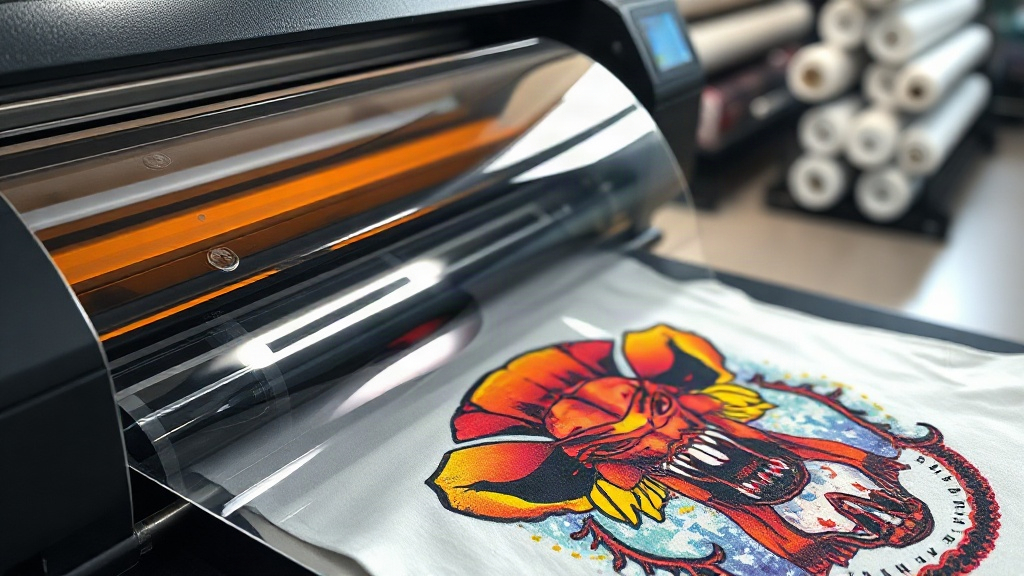
If you've been exploring custom apparel printing, you've likely encountered the term DTF. Short for Direct-to-Film, this technology is rapidly changing how creators and businesses approach fabric printing. Unlike traditional methods that require specialized setups, DTF offers a versatile, accessible way to transfer vibrant designs onto various materials. In this guide, we'll walk you through the essentials of DTF printing, from the process itself to practical tips for achieving professional results.
What Exactly Is DTF Printing?
DTF printing is a digital printing method where your design is printed onto a special film, coated with adhesive powder, and then heat-pressed onto fabric. This process allows for full-color, high-detail prints without the need for pre-treatment or weeding, which sets it apart from other techniques like vinyl cutting or screen printing.
The magic of DTF lies in its simplicity: print, powder, cure, and press. It's a game-changer for small businesses, hobbyists, and anyone looking to produce custom t-shirts, hoodies, tote bags, and more with minimal equipment.
Why DTF Is Gaining Popularity
Several factors contribute to the rising popularity of DTF printing. First, it works on a wide range of fabrics, including cotton, polyester, blends, and even leather. This versatility means you're not limited to certain materials, giving you creative freedom.
Second, DTF prints are incredibly durable. When applied correctly, they withstand repeated washing without cracking, peeling, or fading. The colors remain vivid, making your designs stand out.
Third, the process is cost-effective for short runs. Unlike screen printing, which requires separate screens for each color, DTF handles complex, multi-color designs in a single pass. This makes it ideal for small batches, personalized items, or on-demand production.
How DTF Printing Works: Step by Step
Understanding the DTF workflow helps you troubleshoot and optimize your results. Here's a breakdown of the key stages:
1. Design Preparation
Start with a high-resolution image. DTF printers can reproduce fine details, so ensure your file is at least 300 DPI. If your design has a white background, you'll need to create a transparency mask; the printer will lay down white ink as a base to make colors pop on dark fabrics.
2. Printing onto Film
Load the DTF film into your printer. The printer applies CMYK inks and then a white ink layer. Some printers also apply a protective layer. The film is transparent, allowing you to see the design as it prints.
3. Powdering and Curing
While the ink is still wet, sprinkle hot-melt adhesive powder over the print. Shake off the excess, then cure the film under heat (usually around 160-170°C for 2-3 minutes). This melts the powder, creating a sticky surface for transfer.
4. Heat Pressing
Place the cured film onto your fabric with the design facing up. Heat press at 160-170°C for 10-15 seconds with medium pressure. Once cooled, peel off the film. The design remains bonded to the fabric, ready to wear.
DTF vs. Other Printing Methods
How does DTF stack up against DTG (Direct-to-Garment) or vinyl? Here's a quick comparison:
- DTF: Works on many fabrics, no pre-treatment, durable, great for small batches.
- DTG: Best for 100% cotton, requires pre-treatment, softer feel but less durable on synthetics.
- Vinyl: Limited colors, requires weeding, ideal for simple designs.
For those seeking flexibility and vibrant results, DTF often comes out on top.
Getting Started with DTF: Tips for Success
Ready to dive into DTF printing? Keep these tips in mind:
- Choose quality film: Not all films are created equal. Look for films designed for your printer type.
- Control moisture: Humidity can affect powder adhesion. Store film and powder in a dry place.
- Test your press settings: Every heat press varies. Experiment with temperature, time, and pressure to find what works for your setup.
- Practice weeding: Although DTF doesn't require weeding, trimming excess film can improve the final look.
Common Challenges and Solutions
Even with a straightforward process, you might encounter issues. Here are a few common ones:
- Ink bleeding: Ensure your printer settings match the film type and avoid over-saturating.
- Powder not sticking: Apply powder immediately after printing while ink is wet. If it's too dry, increase humidity slightly.
- Design peeling after wash: This often means insufficient pressure or time during pressing. Adjust your heat press settings.
Frequently Asked Questions
Can I use DTF on any fabric?
DTF works on most fabrics, including cotton, polyester, blends, and even some leathers. However, for best results, test on a small area first.
Do I need special ink for DTF printing?
Yes, DTF printing requires DTF-specific inks, usually pigment-based. These inks are formulated to adhere to the film and withstand the powdering process.
How long do DTF prints last?
With proper application and care, DTF prints can last as long as the garment itself. Wash inside out in cold water and avoid ironing directly on the design.
Is DTF printing cost-effective for small businesses?
Absolutely. DTF has low setup costs and no minimum order quantities, making it perfect for startups and small batch production.
Whether you're a seasoned printer or just starting, DTF opens up a world of possibilities for custom apparel. With its versatility, durability, and ease of use, it's no wonder this technology is becoming a staple in the printing community. So why not give it a try? Your next masterpiece is just a print away.