
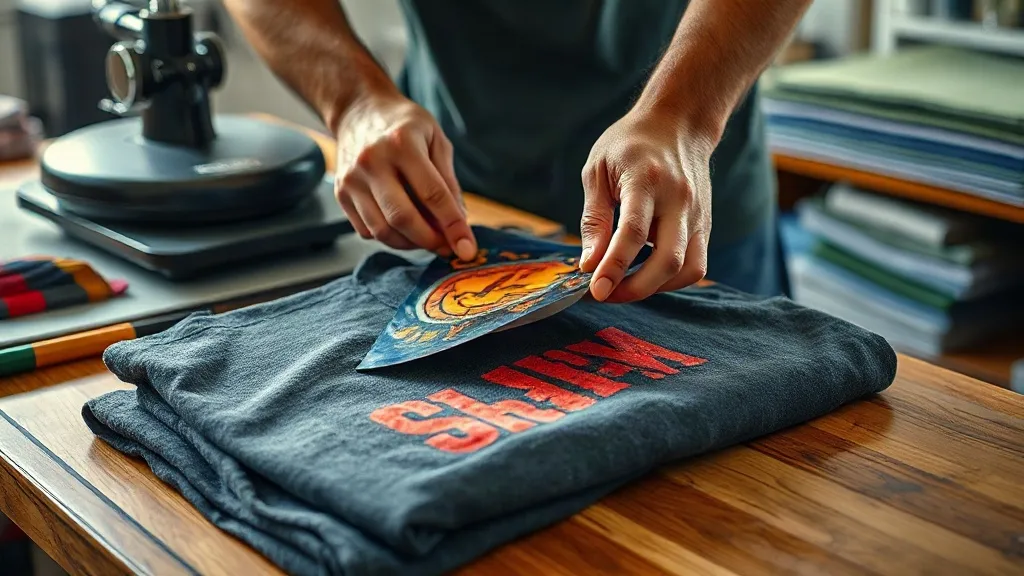
When you think about DTF printing, your mind probably jumps to color vibrancy, adhesion, and wash durability. Those are critical, sure. But there's another factor that quietly shapes the final product just as much: the fabric itself. Specifically, the weight and drape of the blank you choose. shaka wear has become a go-to for many print shops because their blanks offer a range of fabric weights and drapes that cater to different styles and end-uses. In this guide, we'll dig into why fabric weight and drape matter for DTF printing, how Shaka Wear blanks perform, and how to pick the right one for your next project.
Why Fabric Weight and Drape Matter in DTF Printing
Fabric weight refers to the thickness and density of the material, usually measured in ounces per square yard (oz/yd²) or grams per square meter (GSM). Drape, on the other hand, describes how the fabric hangs and folds. Together, they influence how a garment feels, how it moves, and how a DTF print sits on top of it.
Here's the thing: DTF transfers are applied with heat and pressure, and the fabric's weight and drape affect how well the adhesive penetrates and how the print behaves over time. A heavier fabric might require more pressure or longer pressing to get a good bond, while a lighter, drapier fabric might need gentler settings to avoid scorching or excessive shine. Moreover, the drape affects how the print looks when worn. A stiff print on a flowy fabric can look out of place, while a flexible print on a structured fabric might crack if not applied correctly.
So, understanding these characteristics helps you match the right blank to the right design and end-use. And that's where Shaka Wear blanks come into play.
Shaka Wear's Fabric Range: A Quick Overview
Shaka Wear offers a variety of blanks, from lightweight tees to heavyweight hoodies. Their fabrics are primarily cotton and cotton-poly blends, each with distinct weight and drape profiles. Let's break down the common options you'll encounter:
- Lightweight (4.5–5.5 oz/yd²): Typically 100% cotton or cotton-poly blends. These fabrics are breathable, soft, and have a fluid drape. They're great for retail-fit tees and summer apparel.
- Midweight (5.5–6.5 oz/yd²): The sweet spot for many print shops. These blanks offer a balance of durability and comfort, with a moderate drape that works for a wide range of designs.
- Heavyweight (6.5–8+ oz/yd²): Sturdy, structured fabrics with minimal drape. Often used for streetwear and workwear, these blanks can handle bold prints and heavy wear.
Each weight class brings its own considerations for DTF printing. We'll explore those next.
Lightweight Fabrics: Drape and DTF Considerations
Lightweight Shaka Wear blanks, like their 4.5 oz cotton tees, are popular for their soft hand and relaxed drape. They're comfortable and breathable, making them ideal for casual wear. However, when it comes to DTF printing, these fabrics require a bit of finesse.
Because the fabric is thin, excessive heat or pressure can cause the print to shine or the fabric to scorch. It's also more prone to stretching during pressing, which can distort the print. To avoid these issues, use lower pressure and precise temperature settings. A good rule of thumb is to start at 300°F (150°C) with medium pressure and adjust based on your transfer. Also, pre-press the garment to remove moisture and wrinkles, which helps the transfer adhere evenly.
Another consideration: lightweight fabrics tend to show the texture of the print more. If you're applying a thick transfer, it might feel stiff and look raised. For a softer hand, consider using a thinner DTF film or applying a matte finish. And because these fabrics drape fluidly, the print should be flexible enough to move with the fabric without cracking. Testing a small sample before a full run is always wise.
Midweight Fabrics: The Versatile Middle Ground
Midweight Shaka Wear blanks, such as their 5.5 oz and 6 oz tees, are the workhorses of many print shops. They offer a good balance of durability and comfort, with a drape that's neither too stiff nor too flimsy. These fabrics are forgiving in DTF printing: they handle standard heat and pressure well, and the print adheres reliably.
One of the advantages of midweight fabrics is their versatility. They work for a wide range of designs, from intricate details to bold graphics. The fabric's structure provides a stable base for the transfer, reducing the risk of stretching or distortion during pressing. However, don't get complacent: always follow the transfer manufacturer's recommendations for temperature, pressure, and time. A common setting for midweight cotton is 320°F (160°C) for 10-15 seconds with medium-heavy pressure.
In terms of drape, midweight fabrics strike a nice balance. They hold their shape well but still move with the body. That means your DTF print will look good whether the garment is worn loose or fitted. And because these blanks are durable, they can withstand repeated washing without the print fading or peeling, provided the application was done correctly.
Heavyweight Fabrics: Structure and Durability
Heavyweight Shaka Wear blanks, like their 7 oz and 8 oz tees, are built for toughness. They have a stiff, structured feel with minimal drape, making them ideal for streetwear, workwear, and anyone who wants a garment that holds its shape. But this structure comes with printing challenges.
The density of heavyweight fabrics means heat and pressure need to be adjusted to ensure proper adhesion. You might need to increase pressure or extend the press time slightly. However, be careful not to overdo it: too much pressure can cause the fabric to compress and the print to look flat or shiny. A good starting point is 320°F (160°C) for 15-20 seconds with heavy pressure, but always test first.
Another thing to keep in mind: heavyweight fabrics can be rougher, and the surface texture might affect the smoothness of the print. Using a DTF film with a matte finish can help the print blend better with the fabric's texture. Also, because these fabrics are stiff, the print should be flexible to avoid cracking when the garment is folded or worn. Consider using a stretchable DTF transfer or applying a post-press stretch to check for cracks.
Matching Drape to Design: Practical Tips
Now that we've covered the weight classes, let's talk about how to match the drape of the fabric to your design. The goal is to create a garment that looks and feels cohesive.
- For flowy, lightweight fabrics: Choose designs with soft edges and moderate detail. Avoid large, solid blocks of ink that might stiffen the fabric. If you must use a bold design, consider a halftone or distressed effect to reduce ink coverage.
- For midweight fabrics: You have more freedom. Most designs will work well, but keep an eye on the print's flexibility. If the design has fine lines, ensure the transfer can capture them without losing detail.
- For heavyweight fabrics: Bold, graphic designs are a natural fit. The fabric's structure can support heavy ink coverage without sagging. However, consider the print's feel: a thick print on a heavy fabric might be too stiff, so test for comfort.
Also, think about the end-use. A lightweight tee with a large back print might feel heavy and uncomfortable, while a heavyweight hoodie with a small chest print might look understated. There's no one-size-fits-all answer, but testing and customer feedback will guide you.
Using a DTF Gangsheet Builder for Efficient Production
When you're producing multiple garments with different designs, efficiency is key. That's where a DTF Gangsheet Builder comes in. This tool allows you to arrange multiple designs on a single sheet, maximizing your film usage and reducing waste. For Shaka Wear blanks, which come in various colors and sizes, a gangsheet builder helps you organize prints by size, color, and fabric type, streamlining your workflow.
For example, if you're printing a batch of lightweight tees with a delicate design and heavyweight tees with a bold logo, you can group them on separate gangsheets to apply different press settings. This not only saves time but also ensures each print gets the optimal conditions for its fabric. Many gangsheet builders also offer nesting features to fit more designs per sheet, further cutting costs.
Common Pitfalls and How to Avoid Them
Even with the right blank, DTF printing can go wrong. Here are some common issues related to fabric weight and drape, and how to fix them:
- Print peeling after washing: Often caused by insufficient pressure or incorrect temperature. Ensure your press is calibrated and use a heat gun to check adhesion.
- Print cracking: Can happen if the print is too stiff for the fabric's drape. Use a more flexible transfer or adjust the design to reduce ink coverage.
- Fabric scorching: More common on lightweight fabrics. Use lower heat and press in shorter intervals, or use a protective sheet.
- Print looking dull: May be due to over-pressing or using too much pressure, which can crush the fabric's texture. Adjust settings and test.
Remember, each fabric weight and drape requires a tailored approach. Keep a log of your settings for different Shaka Wear blanks so you can replicate success.
Frequently Asked Questions
How does fabric weight affect DTF print durability?
Fabric weight influences how well the adhesive bonds and how the print withstands wear. Heavier fabrics generally provide a more stable base, reducing the risk of cracking, but they may require higher pressure for proper adhesion. Lighter fabrics need gentler settings to avoid damage, but with correct application, DTF prints can be durable on any weight.
Can I use the same DTF settings for all Shaka Wear blanks?
No, it's best to adjust settings based on fabric weight and composition. Lightweight fabrics require lower temperature and pressure, while heavyweight fabrics may need higher settings. Always test on a sample and consult the transfer manufacturer's guidelines.
What is the best Shaka Wear blank for a soft-hand DTF print?
For a soft hand, choose lightweight or midweight 100% cotton blanks. These fabrics have a smoother surface and drape well, allowing the print to feel integrated. Using a matte DTF film and applying minimal pressure also helps achieve a softer feel.
How do I prevent print cracking on heavyweight Shaka Wear tees?
Cracking often occurs when the print is too rigid for the fabric. Use a flexible DTF transfer, avoid over-curing, and consider designs with less solid coverage. Also, ensure proper pressure and temperature to achieve good adhesion without making the print brittle.
Where can I find Shaka Wear blanks for my shop?
You can explore Shaka Wear collections at shaka wear to find a range of weights and styles. Many wholesale distributors also carry these blanks, so compare options to find the best fit for your production needs.