
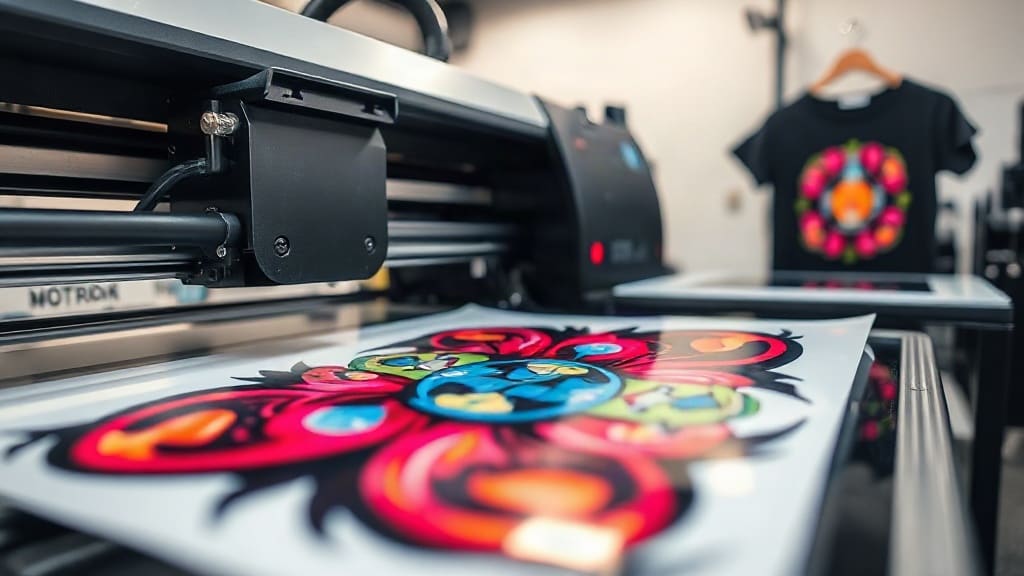
If you're in the custom printing world, you've likely heard about DTF transfers. This innovative method has taken the industry by storm, offering a versatile and cost-effective way to create high-quality prints on various fabrics. Whether you're a hobbyist or a business owner, understanding this technology can open up new possibilities. In this guide, we'll dive deep into what DTF transfers are, how they work, and why they might be the perfect solution for your printing needs.
What Are DTF Transfers?
DTF stands for Direct to Film. It's a printing method where a design is printed onto a special PET film using a DTF printer, then transferred to fabric using heat and adhesive powder. The result is a vibrant, flexible, and durable print that can be applied to cotton, polyester, blends, and even some hard surfaces. Unlike traditional screen printing, DTF transfers allow for full-color designs with no color limitations, making it a favorite for detailed artwork and small batches.
The DTF Printing Process Explained
To fully grasp DTF transfers, let's break down the step-by-step process involved.
Step 1: Design and Print
First, you create or upload your design. The DTF printer uses specialized CMYK inks to print onto a PET film. The film is typically treated to hold the ink effectively, ensuring sharp details and vibrant colors. Some printers also use white ink as a base, which is crucial for printing on dark garments.
Step 2: Powder Application
Once the design is printed, a hot-melt adhesive powder is applied while the ink is still wet. This powder adheres only to the inked areas. After application, the film passes through a dryer or heat tunnel to melt the powder, creating a strong adhesive layer.
Step 3: Curing and Storage
After the powder fuses, the film is cured to set the adhesive. At this point, the DTF transfer is ready for use. You can store these transfers for later use, making it convenient for on-demand printing.
Step 4: Transfer to Fabric
When you're ready to print, place the film on the garment with the design side down. Apply heat and pressure using a heat press. The recommended temperature and time typically range from 300°F to 320°F for 10 to 15 seconds, depending on the fabric. After pressing, peel the film away to reveal your print.
Why Choose DTF Transfers?
DTF transfers offer numerous advantages over other printing methods, making them a popular choice for many businesses.
Versatility Across Fabrics
Unlike vinyl or sublimation, DTF works on a wide range of materials. You can print on 100% cotton, polyester blends, nylon, and even leather with proper settings. This flexibility means you don't need multiple systems for different products.
High Detail and Color Accuracy
Thanks to the high-resolution printing and white ink base, DTF transfers produce stunningly detailed prints with excellent color vibrancy, even on dark fabrics. This is perfect for logos with fine lines, gradients, or photographic elements.
Soft Hand Feel
The adhesive powder creates a thin, flexible film that doesn't have the heavy, plastic-like feel of some other transfer methods. This ensures the print feels soft to the touch, making the garment more comfortable to wear.
Cost-Effective for Small Runs
Setting up screen printing requires significant setup costs, but DTF transfers have minimal startup costs. You can print single items or small batches without breaking the bank, making it ideal for custom orders and testing new designs.
Durability
Properly applied DTF prints are highly durable. They can withstand repeated washing and stretching without cracking or fading, ensuring your designs last a long time.
How to Create Stunning DTF Transfers
To get the best results, consider these tips when creating your own DTF transfers.
Design Tips
- Use High Resolution: Always start with high-resolution images (300 DPI) to ensure crisp details.
- Account for White Underbase: If you're printing on dark shirts, your design will have a white layer. Ensure your design doesn't have unintended white areas that would be invisible on light fabrics.
- Color Management: Calibrate your printer and use ICC profiles to ensure accurate colors. What you see on screen might not match the print otherwise.
- Incorporate Texture: DTF can handle textures well, so don't shy away from adding a subtle texture to your design for a unique feel.
Printing and Pressing
Follow these steps for optimal adhesion and longevity.
- Pre-press the Garment: For a few seconds to remove moisture and wrinkles.
- Set the Right Temperature: Use a heat press with accurate temperature control. Too low may not cure the adhesive, too high can scorch the fabric.
- Peel When Cool or Hot?: Some films require hot peel, others cold peel. Check the manufacturer's instructions. Typically, DTF transfers are hot peeled for best results, but test first.
- Press Again: After peeling, give a quick second press to ensure maximum adhesion, especially on stretchy materials.
Common Mistakes to Avoid With DTF Transfers
Even with a straightforward process, errors happen. Steer clear of these pitfalls to save time and materials.
Ignoring Humidity
Excess moisture in the air can cause the powder to clump or the ink to misbehave. Store your films and powder in a dry environment, and consider using a dehumidifier in your production area.
Using Too Much Pressure
While pressure is necessary, excessive pressure can cause the adhesive to bleed or the design to distort. Adjust your heat press to medium pressure, just enough to make good contact.
Skipping Test Prints
Always run a test on a sample fabric before committing to a full run. This ensures your settings are correct and the colors look right.
Not Following Film Storage Guidelines
Printed but unused transfers should be stored flat and kept away from heat and sunlight. Stacking heavy items on top can cause the adhesive to stick to the backing.
DTF Transfers vs. Other Methods
Understanding how DTF compares to alternatives can help you decide if it's right for you.
DTF vs. Screen Printing
Screen printing is excellent for large runs with limited colors, but DTF offers more flexibility for small batches and full-color designs. DTF also has a softer hand feel and requires less setup time.
DTF vs. DTG (Direct to Garment)
DTG prints directly onto the shirt, allowing for soft prints and easy gradients. However, DTG requires a dedicated printer and often needs pre-treatment for dark fabrics. DTF transfers are more versatile, as you can print on various materials, and you can stock prints for later use.
DTF vs. Heat Transfer Vinyl
Heat transfer vinyl is perfect for simple, single-color designs. But for complex designs, you'd need to weed multiple layers. DTF transfers eliminate weeding and allow for full-color prints with no extra effort.
Applications of DTF Transfers
The versatility of DTF makes it suitable for many products.
- Apparel: T-shirts, hoodies, sweatshirts, and leggings.
- Accessories: Tote bags, hats, and aprons.
- Home Textiles: Pillows, curtains, and tablecloths.
- Promotional Items: Mouse pads, drinkware, and more.
Frequently Asked Questions
How many washes can DTF transfers withstand?
With proper application and care, DTF transfers can last for 50+ washes without significant fading or cracking. Washing inside out in cold water and tumble drying on low will extend the life.
Can DTF transfers be used on stretchy fabrics?
Yes, DTF prints are quite flexible. They work well on spandex and other stretchy materials, provided you use the correct pressure and pressing time. Always test on a sample first to ensure the adhesive bonds properly.
What is the difference between DTF and sublimation?
Sublimation requires polyester fabrics and works by turning ink into gas that bonds with the fibers. It doesn't work on 100% cotton. DTF, on the other hand, uses an adhesive layer that bonds to any fabric, making it more versatile. DTF also allows for printing on dark colors, while sublimation is limited to light fabrics.
Do I need a special printer for DTF?
Yes, you need a DTF printer, which is essentially a modified inkjet printer that can handle the specialized inks and film. Many brands offer dedicated DTF printers, and some convert Epson printers to DTF with a kit. However, using a purpose-built machine ensures better reliability.
How do I store DTF transfers?
Keep unused transfers in a cool, dry place away from direct sunlight. Store them flat in a drawer or box. Avoid rolling them tightly, as this can cause cracks in the adhesive. If stored properly, they can last for months.
Final Thoughts
DTF transfers have truly changed the game for custom printing. They offer an accessible entry point for new entrepreneurs while providing the quality and flexibility that established businesses need. By understanding the process, following best practices, and avoiding common pitfalls, you can produce stunning, durable prints that will impress your customers. Whether you're printing a single shirt or a thousand, this method is worth serious consideration. So, why not give DTF transfers a try? You might just find your new favorite printing technique.