
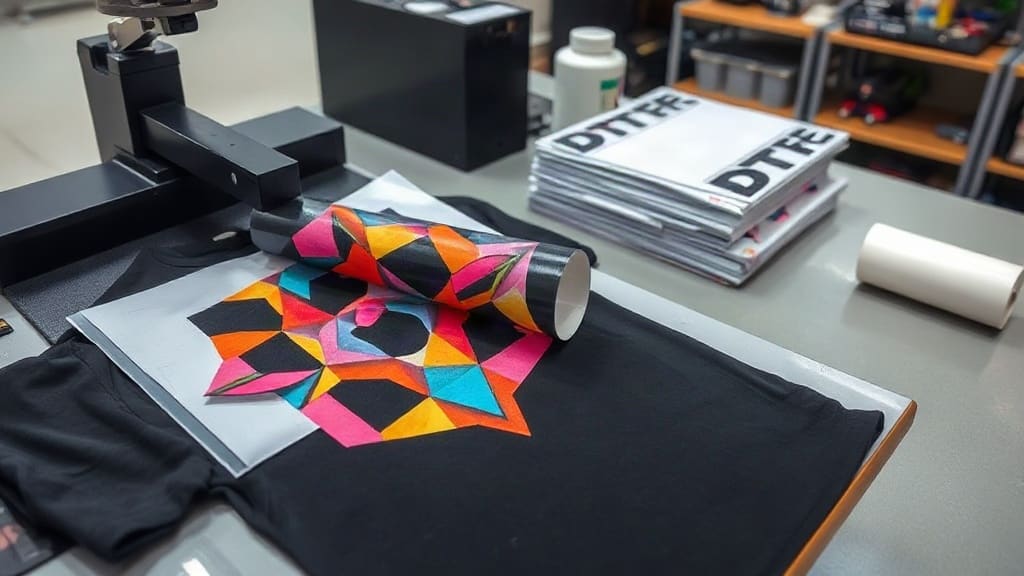
If you're into custom apparel printing, you've likely heard about DTF transfers. This innovative method has taken the industry by storm, offering a simple yet powerful way to create vibrant, durable designs on various fabrics. Whether you're a hobbyist or a business owner, understanding DTF transfers can open up a world of possibilities. In this guide, we'll dive deep into what DTF transfers are, how they work, their benefits, and how you can use them to produce professional-quality garments.
What Are DTF Transfers?
DTF stands for Direct to Film. Unlike traditional heat transfer vinyl (HTV) or screen printing, DTF involves printing your design onto a special PET film using a printer equipped with white ink. The printed film is then covered with adhesive powder, which is melted to create a bond. This film is later heat-pressed onto the fabric, transferring the design.
The Process Step by Step
- Design Creation: Prepare your artwork digitally, ensuring it's mirrored for transfer.
- Printing: Print the design onto DTF film using a DTF printer. The printer lays down white ink as a base, then colors, and finally a layer of adhesive.
- Powder Application: While the ink is still wet, sprinkle or roll hot-melt adhesive powder over the design. The powder sticks only to the printed areas.
- Melting: Pass the film through a powder curing oven or use a heat press to melt the powder into the ink, creating a strong adhesive layer.
- Transfer: Place the film on your garment with the design facing down, and apply heat and pressure with a heat press. The adhesive melts and bonds to the fabric.
- Peel: Peel away the film to reveal your vibrant design.
Why Choose DTF Transfers?
DTF transfers have become popular because they offer several advantages over other printing methods. They work on a wide range of fabrics, including cotton, polyester, blends, and even leather. The prints are stretchy, durable, and have a soft feel, making them ideal for apparel that needs to withstand frequent washing.
Cost-Effective for Small Runs
One of the biggest draws is that DTF is cost-effective for small orders. Unlike screen printing, which requires expensive setup for each color, DTF has minimal setup costs. You can print single items or small batches without breaking the bank, making it perfect for custom orders, side hustles, or on-demand businesses.
Vibrant Colors and Fine Details
DTF printing produces high-resolution images with vibrant colors that pop. It captures fine details and gradients seamlessly, something that's often difficult with HTV or vinyl. This makes DTF ideal for complex designs, photographs, or multi-colored logos.
Durable and Washable
When done correctly, DTF prints are incredibly durable. The adhesive powder creates a strong bond that resists cracking, peeling, and fading even after many washes. This reliability ensures customer satisfaction and repeat business.
What You Need to Start with DTF Transfers
Getting started with DTF requires some specific equipment and supplies. Here's a basic list:
- DTF Printer: A printer that can handle white ink and DTF inks. Many use modified Epson or dedicated DTF printers.
- DTF Film: Specially coated PET film that holds the ink and adhesive.
- Adhesive Powder: Hot-melt powder that activates during heat pressing.
- Heat Press: A clamshell or swing-away press that can reach 300-320°F with adjustable pressure.
- Oven or Curing Unit: To melt the powder onto the film (though some use the heat press for this step).
If you're starting a business, you might also consider a DTF shaker for powder application, but manual shakers work for small volumes.
Tips for Perfect DTF Transfers
To get the best results, follow these expert tips:
- Use High-Quality Inks: Invest in good inks to avoid color fading or cracking.
- Pre-Press Your Garments: Remove moisture and wrinkles to ensure a smooth transfer.
- Test Your Settings: Every fabric and film may require different heat and pressure settings. Do test prints to find the sweet spot.
- Handle with Care: The printed film is delicate before curing. Avoid touching the wet ink.
- Peel Cold or Warm: Some films require cold peel, others warm. Follow the manufacturer's instructions.
DTF Transfers vs. Other Methods
Comparing DTF to other popular methods can help you decide if it's right for you.
DTF vs. HTV
HTV is limited to single-color or layered designs and requires weeding, which is time-consuming. DTF allows full-color prints without weeding, saving time and enabling more complex designs.
DTF vs. Sublimation
Sublimation works only on polyester or light-colored fabrics. DTF works on cotton and dark colors, offering more versatility. However, sublimation has a softer hand feel on performance wear.
DTF vs. Screen Printing
Screen printing is great for high-volume orders but has high setup costs. DTF is more flexible for short runs and offers vibrant results without the need for screens.
Common Mistakes to Avoid
Even experienced printers can make errors. Here are pitfalls to watch:
- Incorrect Mirroring: Always print your design mirrored, or your image will be reversed.
- Too Little Adhesive Powder: If you don't apply enough, the design may not stick properly.
- Over-Curing: Excessive heat can cause the adhesive to bubble or the film to curl.
- Ignoring Fabric Type: While DTF works on many fabrics, some with special coatings may not bond well. Test first.
Applications of DTF Transfers
DTF is not just for t-shirts. It can be used on tote bags, hoodies, aprons, caps, and even shoes. Many small businesses offer custom merch, and DTF enables them to produce unique items on demand. Hobbyists also enjoy DTF for creating personalized gifts.
Frequently Asked Questions
Can I use DTF transfers on dark-colored garments?
Yes, DTF transfers are perfect for dark fabrics because the white ink base ensures colors stay vibrant and opaque.
How many washes can a DTF transfer withstand?
With proper application and care, DTF transfers can last for 30-50 washes or more. To extend longevity, wash inside out in cold water and avoid harsh detergents.
What is the cost per transfer?
The cost varies depending on size, design complexity, and quantity. On average, a standard 8x10 inch transfer may cost $1-3 in materials, making it affordable for small runs.
Do I need a special printer for DTF?
Yes, you need a printer that can handle white pigment ink and DTF inks. Many use Epson EcoTank modified with DTF systems, or you can buy a dedicated DTF printer.
Can I apply DTF transfers with a home iron?
It's possible, but not recommended for professional results. A heat press provides consistent pressure and temperature, ensuring the adhesive melts evenly. If using an iron, you risk uneven bonding and poor durability.
Conclusion
DTF transfers represent a game-changing technology in custom apparel. They offer versatility, quality, and ease of use that appeals to both beginners and pros. By understanding the process and investing in the right tools, you can create stunning, long-lasting designs that will impress your customers or friends. If you're ready to start, gather your supplies and experiment with your first DTF transfer. The possibilities are endless!