
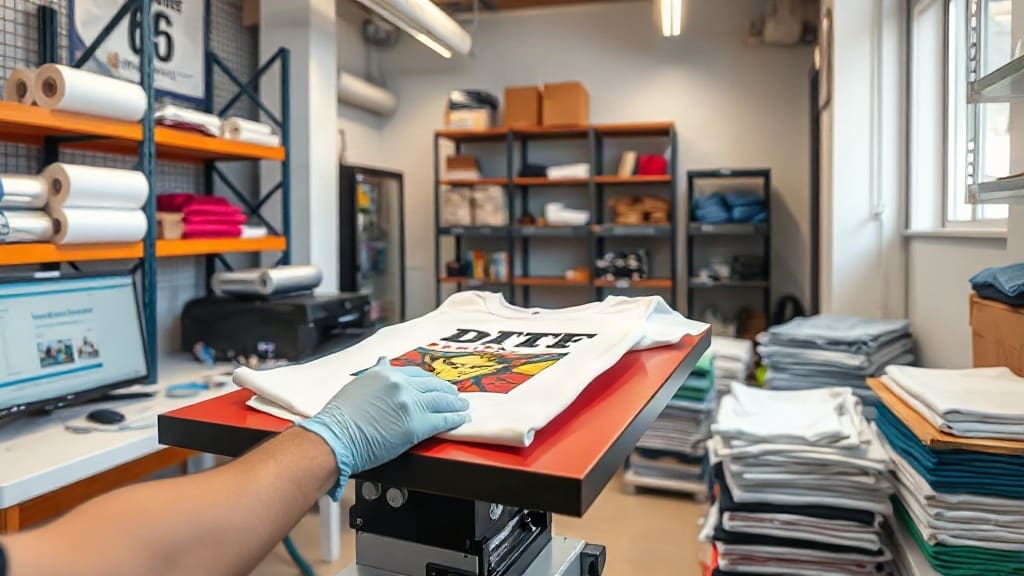
If you're a small business owner, a custom apparel creator, or someone who loves making personalized gifts, you've probably searched for DTF transfers near me. The convenience of having a local shop for your printing needs is undeniable, but with so many options, finding the right one can be tricky.
DTF, or Direct to Film, is a popular printing method because it lets you create vibrant, detailed designs that can be applied to many fabrics, including cotton, polyester, blends, and even leather. Unlike traditional screen printing, there's no need for screens, which makes it great for small runs and one-off items. But the quality of your final product depends heavily on the quality of the transfer itself, so picking a good provider is key.
In this guide, I'll walk you through everything you need to know about finding DTF transfers near me, what to ask before you order, and how to ensure you get the best results for your project.
Why Local DTF Transfers Are a Great Option
When you search for “DTF transfers near me,” you're likely looking for a few specific benefits. Local shops often offer faster turnaround times, the ability to see samples in person, and the convenience of picking up your order. You can also build a relationship with the printer, which is invaluable if you plan to order regularly.
Another big plus is that you can save on shipping costs, especially if you're ordering small quantities. And when you're in a pinch, you can often get your transfers in a day or two, which is perfect for last-minute events or client orders.
The Rise of DTF Printing
Over the past few years, DTF printing has exploded in popularity. It offers a low startup cost compared to other methods, and it's incredibly versatile. You can print white ink, which means you can lighten dark garments, and the transfers are durable and stretchy. This makes it a favorite for custom apparel, sportswear, and promotional items.
What to Look for in a DTF Transfer Provider
Not all DTF transfer services are created equal. Here are the key factors to consider when evaluating your local options.
Quality of Prints
First and foremost, you need to check the quality of their transfers. Ask to see samples or examples of their past work. Look for vibrant colors, sharp details, and smooth edges. A good transfer should not have any white lines or halos around the design, and the colors should be consistent.
Also, ask about the materials they use. High-quality films, inks, and powders make a significant difference in the final look and durability. A reputable shop will be transparent about their suppliers.
Pricing and Minimum Orders
Compare prices among local shops, but don't automatically go for the cheapest option. Sometimes lower prices mean lower quality. Look for a shop that offers fair pricing based on the complexity of your design and the quantity you need.
Also, check if they have a minimum order requirement. Some shops require a minimum of 10 or 20 transfers, while others can do a single piece. If you only need a few, find a shop that accommodates small orders.
Turnaround Time
Ask about their turnaround time. While local shops can often offer quick service, it's not guaranteed. Make sure they can meet your deadline, especially if you're working on a time-sensitive project. Some shops offer rush services for an extra fee, so ask about that too.
Customer Service
Good communication is crucial. You want a shop that listens to your needs, answers your questions, and offers helpful advice. If they seem rushed or dismissive, that's a red flag. A good printer will guide you through the process, from file preparation to application.
How to Search for “DTF Transfers Near Me”
Your search for “DTF transfers near me” can be done in several ways. Here are some effective methods.
Online Directories and Maps
Google Maps is a great starting point. Simply type “DTF transfers near me” and you'll see a list of local businesses. Look at their ratings, read reviews, and check their websites for more information. You can also use platforms like Yelp, Yellow Pages, or local business directories.
Social Media
Many print shops are active on Instagram and Facebook. Search for local hashtags like #DTFtransfers or #customprinting, and you might discover small businesses that aren't listed on Google. Social media also gives you a glimpse of their recent work and customer interactions.
Word of Mouth
Don't underestimate the power of recommendations. Ask fellow business owners, crafters, or anyone in the apparel industry if they know a good DTF provider. Personal referrals often lead to reliable services.
Questions to Ask Before Placing Your Order
Once you've shortlisted a few shops, reach out and ask these questions to ensure you're making the right choice.
- Do you provide a proof or sample before printing?
- What file formats do you accept? (Make sure they accept PNG, PDF, or vector files)
- Can you handle complex designs with gradients and small text?
- What is your pricing for various sizes and quantities?
- What is your typical turnaround time?
- Do you offer discounts for bulk orders?
These questions will help you gauge their professionalism and capability.
Preparing Your Artwork for DTF
To get the best results from your local DTF shop, you need to prepare your artwork correctly. Here are some tips.
File Requirements
Most shops accept high-resolution PNG files with transparent backgrounds. The resolution should be at least 300 DPI. If you have a vector file (AI, EPS, or SVG), even better. Make sure your design is at the actual size you want to print.
Color Handling
Remember that DTF printing uses a CMYK color mode. If you're working in RGB, your colors might shift. It's best to start in CMYK or let the printer handle the conversion. Also, be aware that white ink is used as a base, so you don't need to have a white background in your file.
Design Considerations
Avoid extremely fine lines or tiny text that might not print clearly. A good rule of thumb is to keep your smallest text at least 5mm tall. Also, if you have a design with many colors, it's not a problem; DTF can handle it, but it might be pricier.
Applying DTF Transfers at Home
One of the reasons DTF is so popular is that you can apply the transfers yourself with a heat press. If you're using a home heat press, here's a quick guide.
Step-by-Step Application
- Pre-press your garment for 2-3 seconds to remove moisture and wrinkles.
- Place the transfer face down on the garment exactly where you want it.
- Use a heat press at 300-320°F (150-160°C) with medium to firm pressure.
- Press for 10-15 seconds. Some films require a double press: first a quick press for 3 seconds, then a full press.
- Peel the film while it's still hot or cold, depending on the instructions. Most DTF films are hot peel, but always check with your provider.
- After peeling, cover the design with a heat-resistant sheet or Teflon and press again for 5 seconds to ensure adhesion.
If you don't have a heat press, you can use a home iron, but it's not recommended because it may not provide even pressure and heat. For best results, invest in a heat press.
The Cost of DTF Transfers Near Me
The price of DTF transfers varies based on several factors. Understanding these will help you budget and compare quotes.
Factors Affecting Price
- Size of the transfer: Larger transfers cost more because they use more ink and film.
- Quantity: Usually, the more you order, the lower the per-piece price.
- Complexity: Designs with many colors or intricate details may require more printing passes, increasing cost.
- Type of film: Some shops use premium films that are more expensive but yield better results.
As a rough estimate, a standard 12x12 inch transfer might cost between $2 and $5 per piece for small quantities. But it's best to get a custom quote.
Common Mistakes to Avoid
When you're new to DTF, it's easy to make mistakes. Here are some common pitfalls and how to avoid them.
- Choosing the cheapest option: You might end up with transfers that crack or fade after a few washes.
- Not checking reviews: Always read what other customers say about the shop's quality and service.
- Ignoring file specifications: If you provide a low-resolution image, your transfer will be blurry.
- Forgetting to ask about application instructions: Different films have different peeling temperatures, so ask for guidance.
Local vs. Online DTF Transfer Services
While you're focused on finding a local shop, it's worth comparing them with online services. Online options often have lower prices due to larger scale production, but you lose the personal touch and immediate availability. Local shops can provide face-to-face consultations and quicker turnaround.
If you can't find a satisfactory local provider, don't hesitate to order from a reputable online service. Many of them offer fast shipping, and you can still get excellent quality. But if you need a rush order or if you prefer to support local businesses, keep searching.
How to Test a New Provider
Before committing to a large order, do a small test. Order a few transfers with simple designs and apply them to some sample garments. Wash the garments a few times and see how the prints hold up. This will give you confidence in the provider's quality.
Conclusion
Finding the right DTF transfers near me doesn't have to be overwhelming. By focusing on quality, customer service, and clear communication, you can establish a relationship with a local shop that meets your needs. Remember to prepare your artwork properly and ask the right questions.
Whether you're starting a clothing line or making personalized gifts, DTF transfers offer a versatile and vibrant solution. Take your time to research, compare, and test, and you'll be rewarded with beautiful prints that impress your customers and loved ones.
Frequently Asked Questions
How long do DTF transfers last on shirts?
High-quality DTF transfers can last for many washes, typically up to 50 or more, without significant fading or cracking. To extend their life, wash garments inside out in cold water and avoid using harsh detergents or bleach. Tumble dry on low or hang dry, and avoid ironing directly on the print.
Can I use DTF transfers on any fabric?
DTF transfers work best on natural fabrics like cotton, but they can also be applied to polyester, blends, and even some synthetic materials. For dark or synthetic fabrics, you need to use the right type of transfer and appropriate heat settings. Always test on a small piece of fabric first to ensure good adhesion.
What is the difference between DTF and sublimation?
DTF and sublimation are both digital printing methods, but they work differently. Sublimation uses heat to turn dye into gas that bonds with polyester fibers, so it only works on light-colored, polyester-based fabrics. DTF prints onto a film and then transfers the entire design onto the fabric, so it works on various materials, including cotton and dark colors, without any pre-treatment.
Do I need a heat press to apply DTF transfers?
Yes, a heat press is highly recommended because it provides consistent temperature and pressure, which are essential for proper adhesion. While you can try using a household iron, it's risky because it may not heat evenly, and you might not get enough pressure. For professional-looking results, invest in at least a basic heat press.
How should I store unused DTF transfers?
Store your DTF transfers in a cool, dry place away from direct sunlight. Keep them flat or rolled in a tube to avoid creasing. If they are in a polyethylene bag, you can leave them as is. Avoid exposing them to extreme heat or humidity, as that can affect the adhesive and film quality. Proper storage ensures they stay usable for months.