
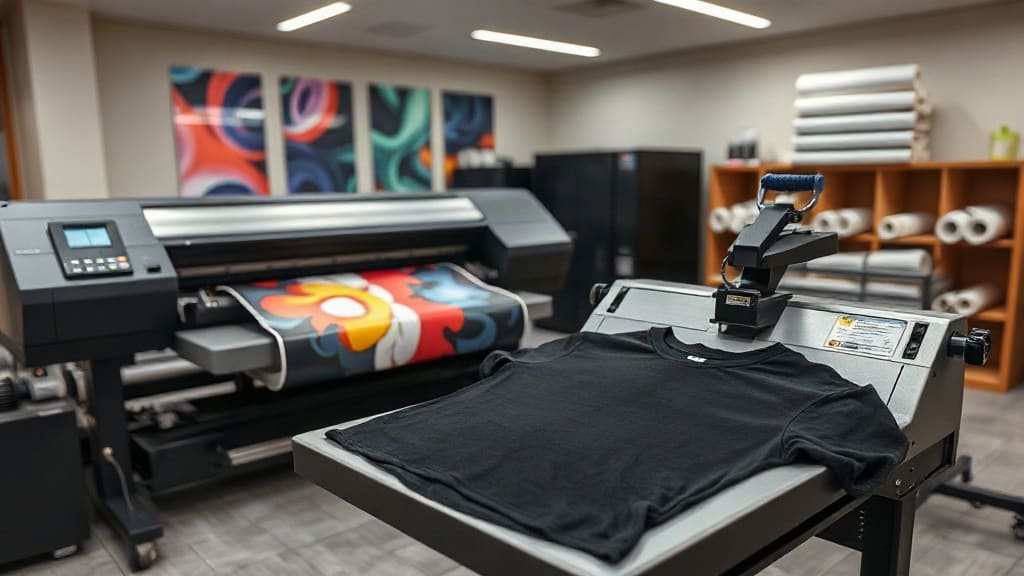
When you're in the middle of a custom apparel project, the last thing you want is a delay in getting your DTF transfers. If you've typed “DTF transfers near me” into your search bar, you're likely looking for a quick turnaround and reliable quality. But finding a local supplier that truly delivers can be tricky. This guide will walk you through what to consider, how to vet potential suppliers, and why sometimes the nearest option isn't always the best one. Let's dive into the world of direct-to-film printing and help you make an informed choice.
The Appeal of Local DTF Suppliers
There's a certain comfort in knowing your DTF transfers are being produced just a few miles away. You can potentially pick them up in person, build a face-to-face relationship, and support local businesses. But beyond the feel-good factor, are there real advantages? Yes, actually. For startups and small print shops, having a local supplier can mean faster turnaround times, especially for rush orders. You can also inspect the quality of the film and powder before you commit to a large order. Some suppliers even offer on-site proofing, allowing you to see a test print before the entire batch is produced.
However, local doesn't automatically equal better. The market is flooded with hobbyists who own a DTF printer and claim to be professionals. Their quality might be inconsistent, and their ability to handle bulk orders could be limited. That's why you need to do your homework.
What to Look for in a DTF Supplier
Whether you're searching for “DTF transfers near me” or considering an online service, there are certain non-negotiable factors that determine whether you'll end up with vibrant, durable prints or faded, peeling disasters.
Print Resolution and Color Accuracy
The first thing to examine is the printer's resolution. A quality DTF printer should have a minimum of 1200 dpi. Anything less, and you'll see banding or pixelation, especially in gradients and skin tones. Ask the supplier for samples of light-colored shirts with detailed designs. If the colors look muddy or the lines aren't crisp, that's a red flag. A professional supplier will be proud to show off their work.
Adhesive Powder Quality
The adhesive powder is what makes the transfer stick to the fabric. Cheap powder can contain impurities that cause the design to crack or wash out after a few cycles. Ask about the brand of powder they use. Reputable suppliers often use powders from established manufacturers like Lava or Hotmark. Don't be afraid to ask for a wash test result. A reliable supplier will have no problem providing evidence that their transfers can withstand 50 or more washes.
Film Thickness and Opacity
DTF film comes in various thicknesses. Thicker film is easier to handle but can feel stiff on the garment. The opacity matters too, especially for white ink coverage. A good transfer should have a solid white base so that colors pop on dark fabrics. If the white looks gray or translucent, the design will look dull. Ask to see a transfer applied to a black shirt. That's the ultimate test.
The Process: From Order to Press
Understanding the production process helps you communicate better with your supplier. Most DTF transfers follow these steps:
- Printing the design onto a PET film using CMYK plus white ink.
- Applying adhesive powder to the wet ink while the film is still on the printer bed.
- Shaking off excess powder and curing it in an oven.
- Cutting the transfer to shape (or leaving it as a full sheet).
- Shipping or handing over the final product.
Each step requires precision. If the powder is applied too thick, it can create a halo effect. If it's too thin, the transfer won't adhere properly. A professional supplier will have calibrated machines and trained staff to ensure consistency.
Cost Considerations: Local vs. Online
Price is often the deciding factor. When you search for “DTF transfers near me,” you might find local prices are slightly higher than online giants. Why? Because they have overheads like rent, utilities, and wages. But you're paying for convenience and speed. On the other hand, online suppliers can offer lower prices because they operate at scale and often ship from centralized locations. However, shipping costs and lead times can eat into those savings.
Let's look at a hypothetical comparison. A local supplier might charge $2.50 per transfer for an 8x10 inch size with a 24-hour turnaround. An online competitor might charge $1.80 but require 5-7 business days for production plus shipping. If you're in a hurry, the local option is worth the extra cost. If you're ordering in bulk and have time to spare, online might be more economical. Calculate the total cost of ownership, including shipping and potential rush fees.
How to Vet a Local Supplier
Before you commit to a local shop, do these five things:
- Ask for references from other local businesses or check online reviews on Google and Yelp.
- Request a sample pack. A reputable supplier will usually charge a small fee or even provide free samples if you promise to consider a larger order.
- Visit their facility if possible. A clean, organized workspace is a good sign. If you see piles of dusty equipment, that's a red flag.
- Inquire about their print software and color management. They should be using RIP software to ensure color consistency.
- Ask about their return policy. If a transfer fails, will they reprint it for free?
Common Mistakes to Avoid
Even with the best supplier, you can ruin your transfers if you don't press them correctly. Here are some pitfalls:
- Not using a heat press with even pressure. Inconsistent pressure leads to patchy adhesion.
- Ignoring the recommended temperature and time settings. DTF film requires a specific combination, usually around 320-340°F for 15-20 seconds. Too much heat can scorch the fabric; too little won't activate the adhesive.
- Peeling the film too fast or too slow. Cold peel is recommended for most DTF transfers. Wait until the film is cool to the touch before peeling.
- Pre-pressing the garment to remove moisture. This is essential for a smooth application.
Always follow the supplier's instructions. If they don't provide them, that's a warning sign.
Future-Proofing Your DTF Sourcing
The DTF industry is evolving rapidly. New printers, inks, and films are being released all the time. To stay competitive, you need a supplier who keeps up with technology. Ask if they update their equipment regularly. Do they offer white ink that doesn't yellow over time? Do they have options for stretchable films for activewear? A forward-thinking supplier will be able to handle new fabric blends and trends.
Also, consider the environmental impact. Some suppliers are moving toward eco-friendly inks and recyclable films. If sustainability matters to your brand, look for a supplier who shares that value.
Building a Long-Term Relationship
Once you find a reliable local supplier, nurture that relationship. Regular orders can lead to discounts, priority service, and even custom color matching. Communicate your needs clearly and provide feedback on their work. A good supplier will appreciate your input and adjust accordingly. Over time, you'll develop a partnership that benefits both parties.
Conclusion
Finding the right DTF supplier, whether local or online, requires careful consideration. By focusing on quality, process, and cost, you can make a choice that supports your business's growth. Don't rush the decision. Take the time to evaluate your options, ask the right questions, and test samples. Your customers will notice the difference in the final product, and that's what truly matters.
Frequently Asked Questions
What is the difference between DTF and screen printing?
DTF (direct-to-film) printing involves printing a design onto a special film and then transferring it to fabric using adhesive powder and heat. Screen printing uses stencils and pushes ink through mesh onto the garment. DTF is better for full-color and small runs, while screen printing is more cost-effective for large quantities of simple designs. DTF also allows for easy customization without setup costs.
How long do DTF transfers last?
With proper application and care, DTF transfers can last for 50 or more washes without significant fading or cracking. The key is to use high-quality materials and follow the recommended pressing instructions. Always wash garments inside out in cold water and avoid using chlorine bleach or fabric softeners, which can degrade the print.
Can I use DTF transfers on any type of fabric?
DTF transfers work best on cotton, cotton-poly blends, and other natural or synthetic fabrics. However, they are not ideal for very stretchy materials like spandex or fabrics with a high water-repellent coating. Always test a small area first to ensure proper adhesion and flexibility.
Do I need to purchase a minimum quantity when ordering DTF transfers?
Minimum order quantities vary by supplier. Local suppliers often have lower minimums, sometimes starting at just one transfer, while online companies may require a minimum order to offset production costs. It's best to ask directly. If you're just starting out, look for suppliers that offer low minimums or sample packs.
What if I make a mistake when pressing a DTF transfer?
If you misplace the transfer or press it incorrectly, you may be able to reposition it before peeling the film. Once peeled, the transfer is permanent. If the transfer fails to adhere properly, you can try re-pressing at a slightly higher temperature or for a longer time, but this may not always work. Some suppliers offer reprints at a discounted rate for first-time mistakes. Always do a test press on a scrap garment if you're unsure.