
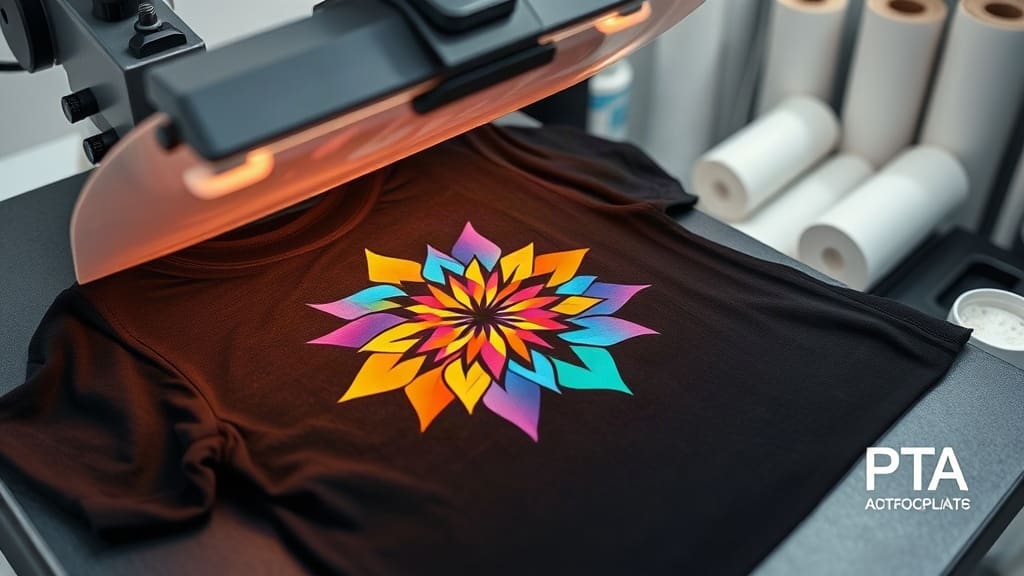
DTF transfers have revolutionized the custom printing industry, offering a versatile and cost-effective solution for creating vibrant designs on various fabrics. Whether you're a hobbyist or a professional, understanding this technology can elevate your printing projects to new heights.
In this guide, I'll walk you through everything you need to know about DTF transfers, from the basics to advanced tips, based on my hands-on experience with this innovative method.
What Are DTF Transfers?
DTF stands for Direct to Film. Unlike traditional methods like screen printing or heat transfer vinyl, DTF involves printing your design onto a special PET film using a DTF printer and specialized inks. The printed film is then coated with adhesive powder, and after heat pressing, the design transfers onto the fabric.
One of the biggest advantages of DTF is its versatility. You can print on cotton, polyester, blends, and even tricky materials like nylon, which are often challenging for other methods. The prints are soft, stretchy, and durable, making them ideal for apparel.
How DTF Transfers Work
The process might sound complex, but once you get the hang of it, it's quite simple. Here’s a step-by-step breakdown:
- Design Creation: Create your design using graphic software like Photoshop or Illustrator. Ensure it's high resolution (300 DPI) for crisp results.
- Printing: Use a DTF printer with CMYK + white ink to print the design onto the PET film. The white ink acts as a base to make colors pop, especially on dark fabrics.
- Powder Application: While the ink is still wet, apply hot-melt adhesive powder over the printed area. The powder sticks to the ink, which will later bond with the fabric.
- Curing: Pass the film through a heat source (like a conveyor dryer) to melt the powder and form a solid adhesive layer.
- Press: Place the film on your fabric, print side down, and apply heat and pressure with a heat press (usually 300°F for 15 seconds). Peel off the film, and your design is transferred.
This method is efficient for both small batches and large-scale production, making it a favorite among custom apparel businesses.
Advantages of Using DTF Transfers
From my experience, DTF offers several compelling benefits:
- Color Vibrancy: The white underbase ensures that colors remain vivid even on dark garments.
- Flexibility: You can print on a wide range of fabrics, including difficult ones like nylon and performance wear.
- No Weeding: Unlike vinyl, there's no tedious weeding of intricate designs. DTF handles complex artwork with ease.
- Soft Hand Feel: The prints are thin and flexible, providing a soft texture that doesn't crack easily.
- Cost-Effective for Small Runs: Setting up DTF is more affordable than screen printing for small quantities, making it perfect for custom orders.
DTF vs. Other Printing Methods
Understanding how DTF compares to other techniques helps you choose the right one for your project.
DTF vs. DTG (Direct to Garment)
DTG is excellent for printing directly onto cotton shirts with high detail, but it struggles with polyester and requires pre-treatment. DTF, on the other hand, works on any fabric and doesn't need pre-treatment. DTF is also faster for bulk orders since you can print multiple films simultaneously.
DTF vs. Screen Printing
Screen printing is unbeatable for large quantities and simple designs, offering low cost per unit. However, it's not practical for small orders or color variations. DTF provides a quicker turnaround for small batches and allows you to print each item differently, which screen printing cannot do.
DTF vs. Heat Transfer Vinyl
HTV is perfect for simple, cut-out designs and is popular for team apparel. But it can be thick and prone to peeling. DTF offers greater detail, better durability, and a softer feel, making it a superior choice for full-color graphics.
Choosing the Right DTF Transfers for Your Project
When sourcing DTF transfers, consider these factors:
- Quality: Look for transfers with vibrant colors and a strong adhesive. Test a sample to ensure the print withstands washing.
- Size: Ensure the transfer size fits your garment. Most suppliers offer custom sizing.
- Print Type: Decide between single-color or full-color prints. DTF excels at full-color, but single-color can be cheaper if it suits your design.
- Supplier Reliability: Choose a reputable provider with good reviews. I've had great results from companies like DTFShoply, which specialize in high-quality transfers.
Step-by-Step Application of DTF Transfers
Applying DTF is straightforward, but attention to detail ensures a perfect finish.
- Preheat Press: Set your heat press to 300°F (about 150°C).
- Pre-Press Garment: Press the garment for 3-5 seconds to remove moisture and wrinkles.
- Position Transfer: Place the DTF transfer on the garment, adhesive side down. Ensure it's centered.
- Press: Apply firm pressure for 15 seconds.
- Peel: While still warm, peel the film off. For best results, do a hot peel.
- Final Press: Cover with a protective sheet and press for 5 seconds to ensure the adhesive bonds fully.
I've found that using a Teflon sheet and a quality heat press makes a significant difference in the outcome.
Common Mistakes to Avoid
Even experienced printers make errors. Here are pitfalls to steer clear of:
- Incorrect Temperature: Too low heat means the adhesive won't activate; too high can scorch the fabric.
- Insufficient Pressure: Without enough pressure, the transfer may not adhere fully, leading to peeling.
- Peeling Too Early: Always peel while warm, but not burning hot. Wait a few seconds after pressing.
- Using the Wrong Film: Ensure you're using DTF film, not regular inkjet or vinyl paper.
Care Instructions for DTF Printed Items
To prolong the life of your DTF transfers, advise your customers to:
- Wash garments inside out in cold water.
- Avoid using bleach or fabric softeners.
- Tumble dry on low or hang dry.
- Do not iron directly on the design; if needed, iron on the reverse side.
Following these steps keeps prints vibrant for many washes.
Why DTF Is a Game-Changer for Small Businesses
If you're starting a custom apparel business, DTF transfers offer an accessible entry point. The initial investment is lower than screen printing, and the learning curve is manageable. You can produce high-quality products on demand without holding large inventory.
I've seen many entrepreneurs succeed by offering DTF-printed items like t-shirts, hoodies, and tote bags. The ability to customize each piece opens up endless possibilities for personalization.
Frequently Asked Questions
Can DTF transfers be used on any fabric?
Yes, DTF transfers work on most fabrics, including cotton, polyester, blends, and even leather with proper care. However, for best results, avoid extremely rough textures like heavy canvas.
How durable are DTF prints?
DTF prints are highly durable. With proper application and care, they can withstand 50+ washes without significant fading or cracking. The key is using quality materials and following the press instructions.
What is the difference between DTF and sublimation?
Sublimation uses heat to turn ink into gas that bonds with polyester fibers, making it permanent but only works on light-colored polyester. DTF, on the other hand, prints onto a film and can be applied to any fabric, including dark cotton.
Can I make DTF transfers at home?
Yes, with a DTF printer, film, powder, and a heat press, you can produce transfers at home. The setup cost is moderate, but for small quantities, it's a worthwhile investment. Alternatively, you can order custom transfers from online services.
How much do DTF transfers cost?
The cost varies based on size, quantity, and supplier. Generally, a 10x12 inch transfer might cost between $2 and $5. Bulk orders reduce the per-unit price significantly.
Final Thoughts
DTF transfers are an incredibly versatile and efficient printing method that has transformed the custom apparel industry. Whether you're a hobbyist or a business owner, mastering DTF opens up a world of creative possibilities. From my own experience, the learning curve is well worth it, and the results speak for themselves. So why not give it a try? You'll be amazed at the quality and ease of production.