
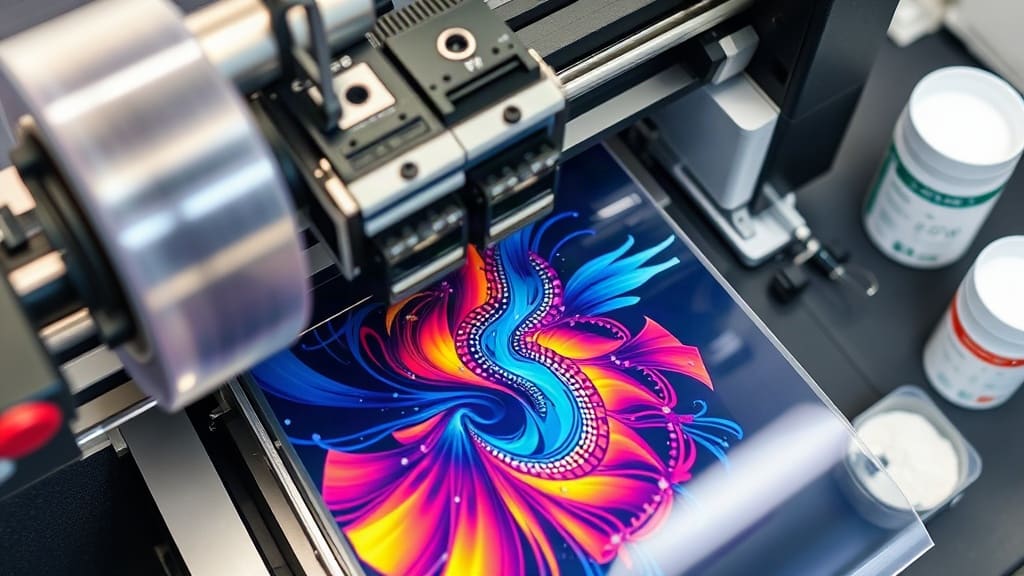
If you're in the custom apparel business, you've likely heard about DTF transfers. This innovative printing method has taken the industry by storm, offering a versatile and cost-effective way to create vibrant designs on various fabrics. In this comprehensive guide, we'll dive deep into what DTF transfers are, how they work, and why they might be the perfect solution for your printing needs.
What Are DTF Transfers?
DTF (Direct to Film) transfers involve printing your design onto a special PET film, applying adhesive powder, and then heat-pressing it onto a substrate, typically fabric. Unlike traditional screen printing or heat transfer vinyl, DTF allows for full-color prints with soft hand feel and high durability. The process is relatively simple, making it accessible for small businesses and hobbyists alike.
How Does DTF Printing Work?
The DTF process can be broken down into several steps:
- Printing: Using a DTF printer, you print your design in reverse onto a PET film with special DTF inks.
- Applying Adhesive: While the ink is still wet, you apply a hot-melt adhesive powder to the film. This powder is what allows the transfer to bond with the fabric.
- Curing: The film is then passed through a curing oven or heat press to melt the adhesive powder and create a stable adhesive layer.
- Transfer: Finally, you place the film onto your garment and apply heat and pressure with a heat press. After peeling, your design is permanently transferred.
One of the great advantages of DTF is that it works on a wide range of fabrics, including cotton, polyester, blends, and even tricky materials like nylon and leather. This flexibility opens up endless possibilities for product lines.
Benefits of Using DTF Transfers
Why have DTF transfers become so popular? Here are some key benefits:
- Vibrant Colors: DTF prints are known for their bright, saturated colors that don't fade easily.
- Soft Hand Feel: Unlike some other methods, DTF transfers result in a soft, flexible print that feels great against the skin.
- Durability: With proper care, DTF prints can withstand many washes without cracking or peeling.
- Versatility: From t-shirts and hoodies to tote bags and hats, DTF works on many substrates.
- Cost-Effective for Small Runs: Unlike screen printing, which requires setup charges, DTF has no minimum order quantities, making it ideal for custom orders.
- Easy for Beginners: The process is relatively straightforward, and with the right equipment, even a novice can produce professional results.
DTF Transfers vs. Other Printing Methods
To understand the true value of DTF, it's helpful to compare it with other common printing techniques.
DTF vs. Screen Printing
Screen printing is excellent for large bulk orders with simple designs, but it requires significant setup and is not cost-effective for small quantities. DTF, on the other hand, offers full-color prints without setup fees, making it perfect for one-off or small batch orders.
DTF vs. Heat Transfer Vinyl (HTV)
HTV is great for single-color designs and is relatively simple, but it doesn't allow for complex, multi-colored graphics. DTF can reproduce intricate designs with gradients and fine details effortlessly.
DTF vs. Sublimation
Sublimation works only on polyester or polymer-coated items and produces vibrant, permanent prints. However, it doesn't work on dark garments unless you use a special base layer. DTF works on any color fabric, including dark and black, without additional steps.
What Can You Create with DTF Transfers?
The applications of DTF transfers are virtually limitless. Here are some popular products you can make:
- Custom t-shirts and apparel
- Hoodies and sweatshirts
- Tote bags and backpacks
- Baseball caps and beanies
- Pillows and home decor
- Athletic wear and team uniforms
- Work uniforms and promotional items
Whether you're creating personalized gifts, building a brand, or fulfilling client orders, DTF transfers offer a flexible and efficient solution.
Tips for Successful DTF Printing
To achieve the best results with DTF, consider these expert tips:
- Use High-Quality Films and Inks: The quality of your materials directly affects the final print. Invest in reputable brands for consistent results.
- Calibrate Your Printer: Regularly check and adjust your printer settings to ensure accurate color reproduction and proper ink adhesion.
- Control Adhesive Powder Application: Too little powder results in poor adhesion, while too much can cause peeling. Aim for an even, thin layer.
- Pre-Press Your Garments: Before transferring, pre-press your garment for a few seconds to remove moisture and wrinkles, ensuring a smooth surface.
- Use the Right Heat Settings: Follow the recommended temperature, pressure, and time for your specific films and materials. Typically, around 320°F (160°C) for 15-20 seconds works well.
- Peel While Warm or Cold? Some films require hot peel, others cold. Check the manufacturer's instructions for the best results.
- Test, Test, Test: Always run test prints on scrap fabric to fine-tune your process before tackling final products.
Common Mistakes to Avoid
Even experienced printers can make errors. Here are some pitfalls to watch out for:
- Using regular ink instead of DTF-specific ink
- Applying too much or too little adhesive powder
- Not curing the adhesive properly
- Using excessive heat that damages the fabric or film
- Peeling too early or too late
- Ignoring humidity and storage conditions for films
By being aware of these issues, you can troubleshoot and improve your DTF game.
How to Care for DTF Prints
To ensure your DTF transfers last, proper care is essential. Here are some guidelines to share with your customers:
- Wash garments inside out in cold water.
- Use a gentle cycle and mild detergent.
- Avoid bleach and fabric softeners.
- Tumble dry on low heat or air dry.
- Do not iron directly on the print; if needed, iron on the reverse side or use a pressing cloth.
Frequently Asked Questions
Can DTF transfers be used on any fabric?
Yes, DTF transfers are highly versatile and can be applied to cotton, polyester, blends, nylon, and even some coated materials. However, for very stretchy or delicate fabrics, you may need to adjust your heat settings and test first.
How many washes can a DTF print withstand?
With proper care and application, DTF prints can last for 50 or more washes without significant fading or peeling. The durability depends on the quality of materials and the transfer process.
Is DTF printing cost-effective for small orders?
Absolutely. One of the main advantages of DTF is that there's no minimum order quantity, so you can produce a single item or a small batch at a reasonable cost. This makes it perfect for custom and personalized orders.
What equipment do I need to start DTF printing?
To get started, you'll need a DTF printer (often an Epson or similar modified printer), DTF inks, PET film, adhesive powder, a curing oven or heat press, and a heat press for the final transfer. Many suppliers offer starter kits that include everything you need.
Can I do DTF printing at home?
Yes, with the right equipment and a dedicated space, DTF printing can be done at home. However, be aware of the ventilation needs and the initial investment in equipment.
Conclusion
DTF transfers have revolutionized the custom printing industry, offering a perfect blend of quality, versatility, and ease of use. Whether you're a seasoned professional or just starting your journey, DTF is a technique worth mastering. With the tips and insights from this guide, you're well on your way to creating stunning, durable prints that will impress your customers. So why wait? Dive into the world of DTF and unleash your creativity today.