
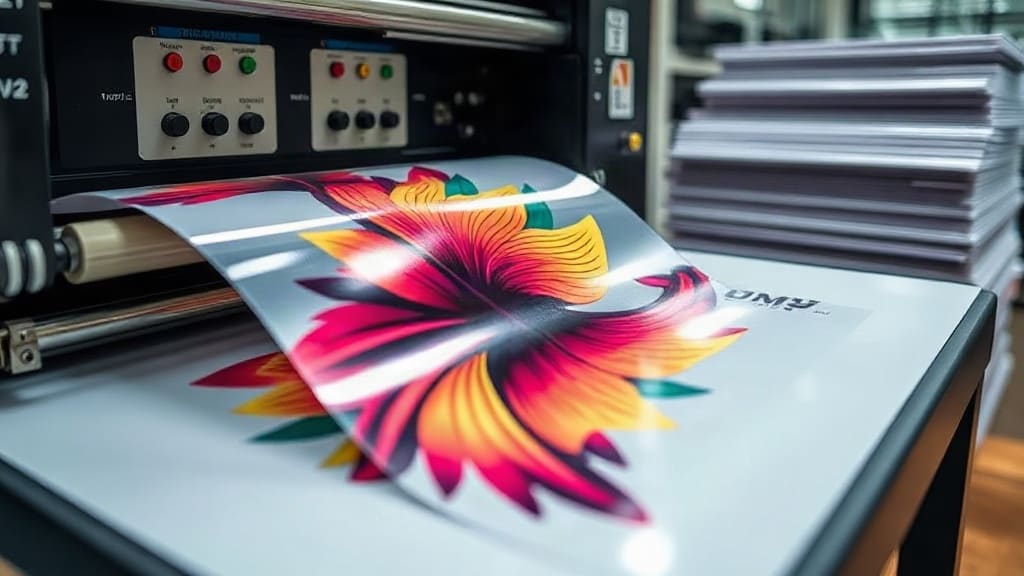
DTF printing, or Direct-to-Film, has taken the custom apparel world by storm. Unlike traditional methods, it offers incredible versatility, vibrant colors, and a soft hand feel. Whether you're a small business owner or a hobbyist, understanding the ins and outs of DTF can elevate your printing game. In this guide, we'll break down the process, share practical tips, and help you avoid common pitfalls.
What Is DTF Printing?
Direct-to-Film printing involves printing your design onto a special PET film, applying adhesive powder, and then heat-pressing the transfer onto fabric. The result is a durable, stretchy, and vibrant print that works on a wide range of materials, including cotton, polyester, blends, and even leather.
One of the biggest advantages of DTF is that it eliminates the need for weeding (unlike vinyl) and doesn't require pretreatment (unlike direct-to-garment). This makes it faster and more cost-effective for small to medium runs.
How Does the DTF Process Work?
The process might seem complex at first, but once you understand each step, it's quite straightforward. Here's a breakdown:
- Printing: Your design is printed in reverse onto a PET film using specialized DTF inks (CMYK plus white). The white ink acts as a base, ensuring colors pop on dark fabrics.
- Applying Adhesive Powder: While the ink is still wet, a hot-melt adhesive powder is applied. This powder melts during pressing, bonding the ink to the fabric.
- Curing: The film is passed through an oven or heat source to melt the powder and cure the print. Alternatively, you can use a heat press for this step.
- Pressing: The transfer is placed on your garment, and heat and pressure are applied for a specific time and temperature. After peeling (hot or cold, depending on the film), your print is ready!
Key Materials and Equipment for DTF
To get started with DTF, you'll need the following:
- DTF Printer: Epson or Ricoh printers modified for DTF are popular. Ensure it supports white ink circulation to prevent clogging.
- DTF Inks: High-quality, water-based or eco-solvent inks formulated for film printing.
- PET Films: Choose high-release films for easy peeling and better adhesion.
- Adhesive Powder: Fine or coarse depending on your fabric type. Coarse works better on textured materials.
- Shaker or Powder Applicator: Applies the powder evenly, either manually or automatically.
- Heat Press or Oven: For curing the powder and pressing the transfer.
Investing in good equipment is essential. Cheap inks or films can lead to cracking, faded colors, or poor adhesion, wasting your time and money.
Choosing the Right Fabrics for DTF
One of the best things about DTF is its compatibility with many fabrics. However, not all materials are created equal. Here's what works best:
- Cotton: Excellent for DTF. Prints adhere well and maintain color vibrancy.
- Polyester: Works great, but ensure you use a lower temperature and shorter press time to avoid scorching.
- Blends: Most blends (e.g., 50/50) are fine. Just test first.
- Nylon and Leather: These require special low-temperature films and careful handling.
Avoid fabrics with high water-repellent coatings, like some performance wear, as the adhesive might not bond properly.
DTF vs. DTG: Which Is Better?
If you're new to printing, you might wonder how DTF compares to DTG (Direct-to-Garment). The simple answer is that each has its strengths.
- DTF offers more versatility in fabric types and doesn't require pretreatment. It's also more cost-effective for small batches.
- DTG is ideal for very detailed, photographic prints on 100% cotton, but it's slower and more expensive for bulk orders.
Many businesses use both: DTG for high-end cotton tees, and DTF for everything else, including hats, bags, and shoes.
Pro Tips for Vibrant, Long-Lasting DTF Transfers
Getting the best results requires attention to detail. Here are some tips I've learned from experience:
- Calibrate Your Printer: Regularly run nozzle checks and cleanings to ensure consistent ink flow, especially for white ink.
- Use High-Quality Images: Low-resolution designs will print blurry. Always use vector files or high-res PNGs with transparent backgrounds.
- Adjust Temperature and Time: Follow the film manufacturer's guidelines. For most films, 320°F (160°C) for 15 seconds works, but test to find the sweet spot.
- Peel Hot or Cold? Some films are hot-peel, others cold-peel. Check the instructions. Hot-peel gives a matte finish; cold-peel gives a glossy look.
- Store Transfers Properly: Keep unused transfers in a cool, dry place away from sunlight to prevent ink from fading.
Common DTF Mistakes to Avoid
Even seasoned printers make mistakes. Here are common pitfalls and how to sidestep them:
- Skipping the Test Print: Always test on a sample fabric before running a full order. This saves you from ruining garments.
- Using Too Much Powder: Excess powder can cause a rough texture and poor adhesion. Use just enough to cover the ink lightly.
- Incorrect Pressing Pressure: Too much pressure can cause the design to crack; too little results in weak adhesion. Aim for medium pressure.
- Ignoring White Ink Maintenance: White ink settles quickly. Shake cartridges daily and run a cleaning cycle to avoid clogs.
Scaling Your Business with DTF
If you're looking to start or expand a custom apparel business, DTF is a game-changer. You can produce transfers in advance and press them on demand, reducing lead times. Plus, the ability to print on diverse items like tote bags, caps, and even shoes opens new revenue streams.
Consider offering pre-pressed transfers for sale, or partner with local businesses for bulk orders. The key is to maintain consistent quality and offer unique designs that stand out.
Frequently Asked Questions
How long do DTF prints last?
With proper care, DTF prints can last as long as the garment itself. The key is to wash them inside out in cold water and avoid using bleach or fabric softeners. The adhesive and ink are designed to withstand repeated washing without cracking or fading.
Can I use DTF on dark-colored garments?
Absolutely! The white ink base in DTF printing ensures that your design appears vibrant even on black or dark fabrics. This is one of the biggest advantages over other methods like sublimation, which only works on light colors.
What temperature and time should I use for pressing?
Typically, you'll press at 320°F (160°C) for 15 seconds with medium pressure. However, always check the recommendations from your film and powder manufacturers. Different brands might require slight adjustments, so it's best to do a test print first.
Do I need a special printer for DTF?
Yes, you need a printer that can handle white ink and print on PET film. Epson and Ricoh models are commonly converted for DTF. You can also buy dedicated DTF printers, which come with integrated white ink circulation systems to prevent clogging.
Is DTF eco-friendly?
Compared to other printing methods, DTF is relatively eco-friendly. The water-based inks are non-toxic, and there's minimal waste since you only print what you need. However, the PET film is plastic, so it's not fully biodegradable. Some companies offer recyclable films, so look for those if sustainability is a priority.
In conclusion, DTF printing is a versatile, efficient, and high-quality option for custom apparel. Whether you're just starting or looking to upgrade your current setup, the key is to practice, test, and refine your process. With the right equipment and techniques, you'll be producing professional-grade transfers in no time.